Fine art and black and white photography by Fie Johansen, a Danish photographer based in Copenhagen.
Biography
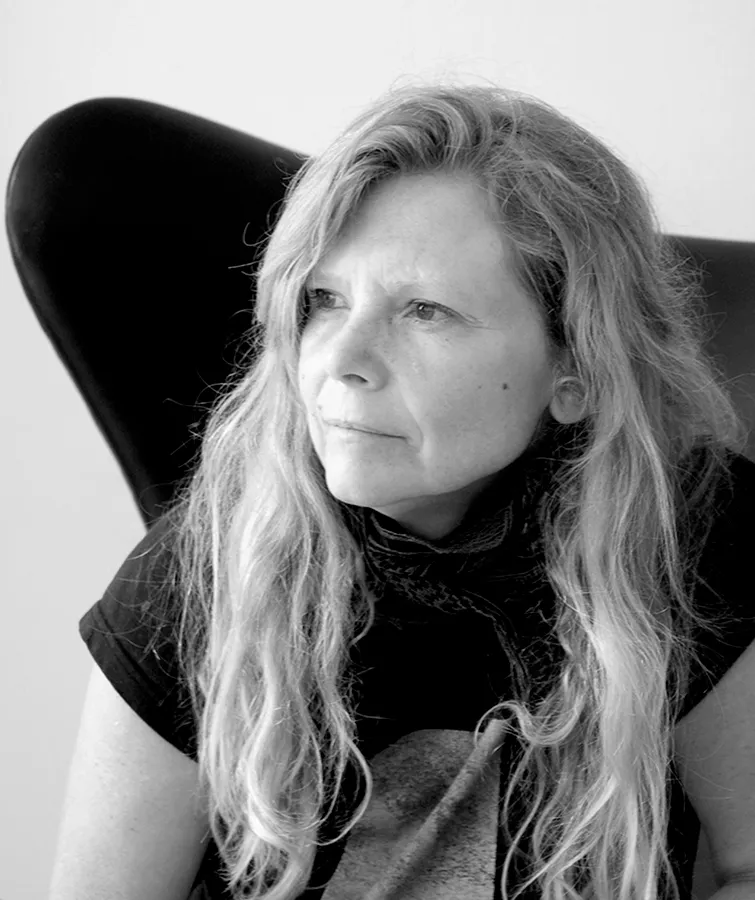
Fie Johansen (b. 1953 in Stamford Conn.) is a trained photographer specialising, among other things, in historical fine-art printing techniques. She is one of the pioneers of digital art photography in Denmark.
She has studied and worked at the Department of Visual Communication at the Royal Danish Academy of Fine Arts and was a co-founder of Billedhuset, an association of leading Danish and Swedish art and documentary photographers.
In 1997 she received the Danish Ministry of Culture's Photographic Book Award.
In 1999 she was invited to participate in Louisiana's exhibition Arkitekturens Værksteder/ Henning Larsen where she participated with 10 analog/digital works.
From 2007 to 2011 she participated in the extensive photo book and exhibition project Denmark Under Forvandling supported by Ny Carlsbertfondet, Realdania and St.Kunstfond.
In connection with Scandinavian Photography projects 1 and 2 she exhibited in Houston Texas, Los Angeles, New York and Iowa. Other cities in the EU such as Paris, Gothenburg, Oslo, Düsseldorf and Flensburg and St. Petersburg, have also exhibited her works.
She has received the 3-year work grant from the Danish Arts Foundation, as well as the Ole Haslund honorary scholarship. She lives and works in Copenhagen.
Ministry of Culture Book Prize
In 1997, Fie Johansen received the Danish Ministry of Culture’s Photographic Book Award.
Showcase
Selected work
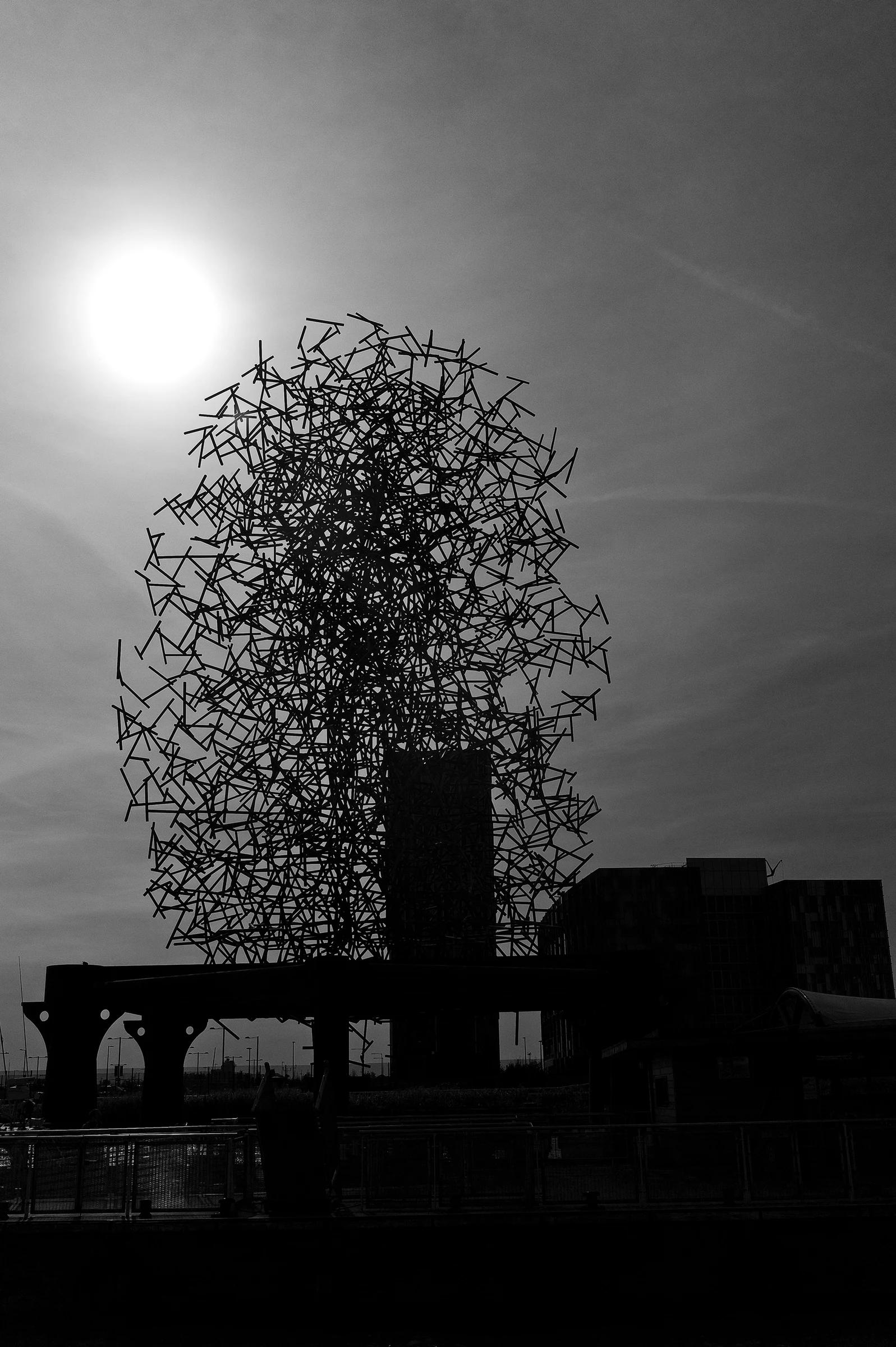
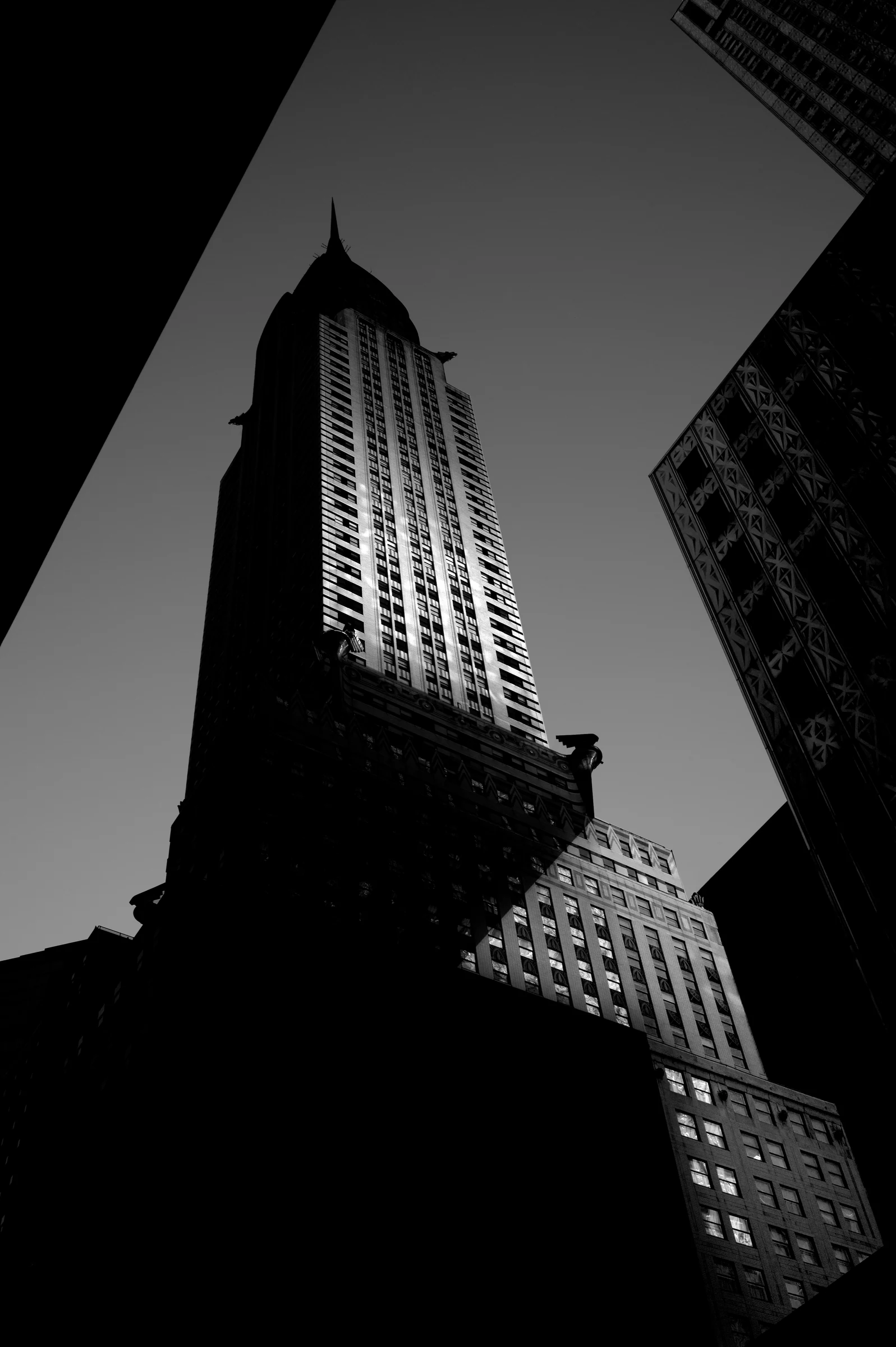
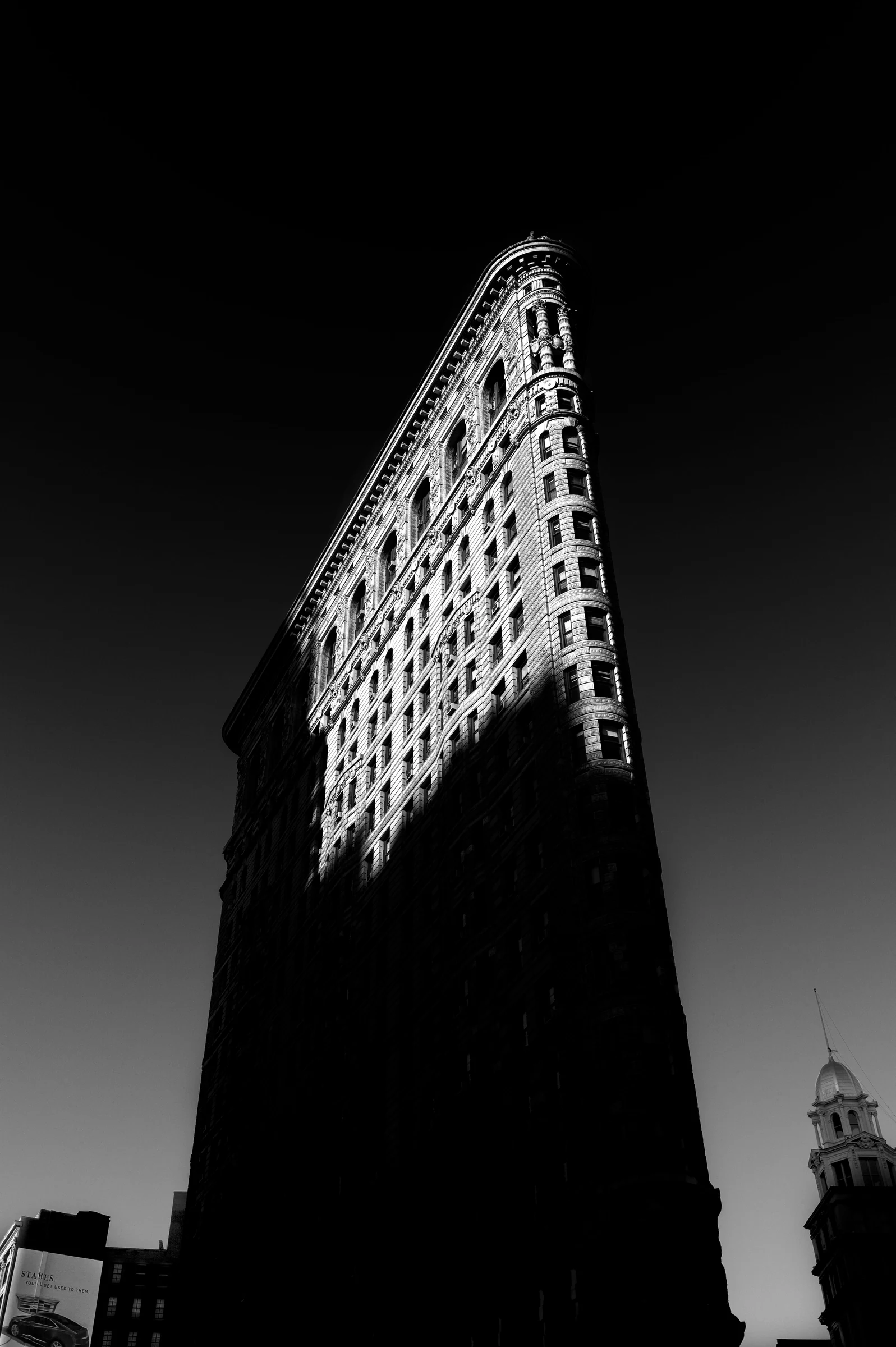
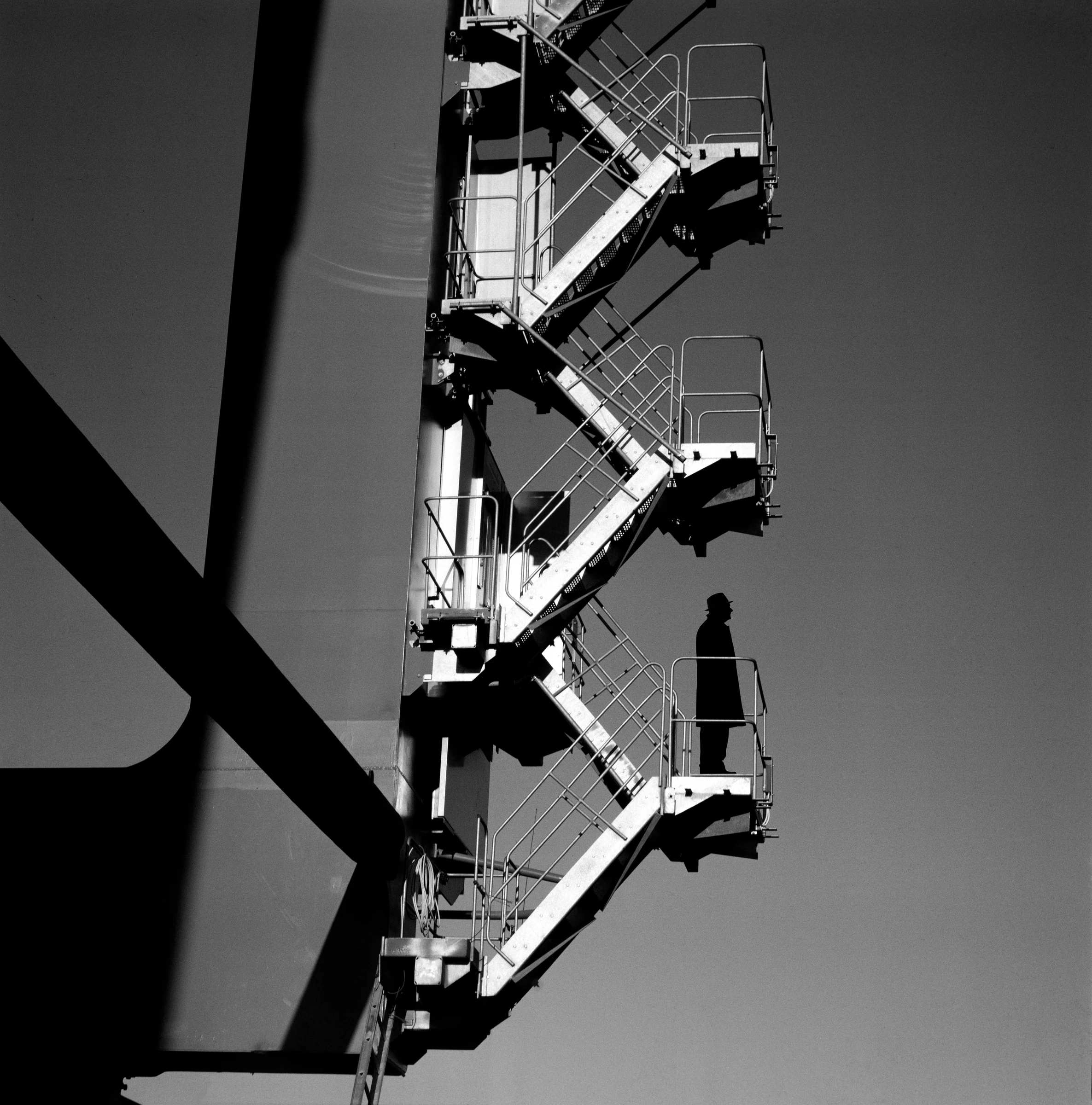
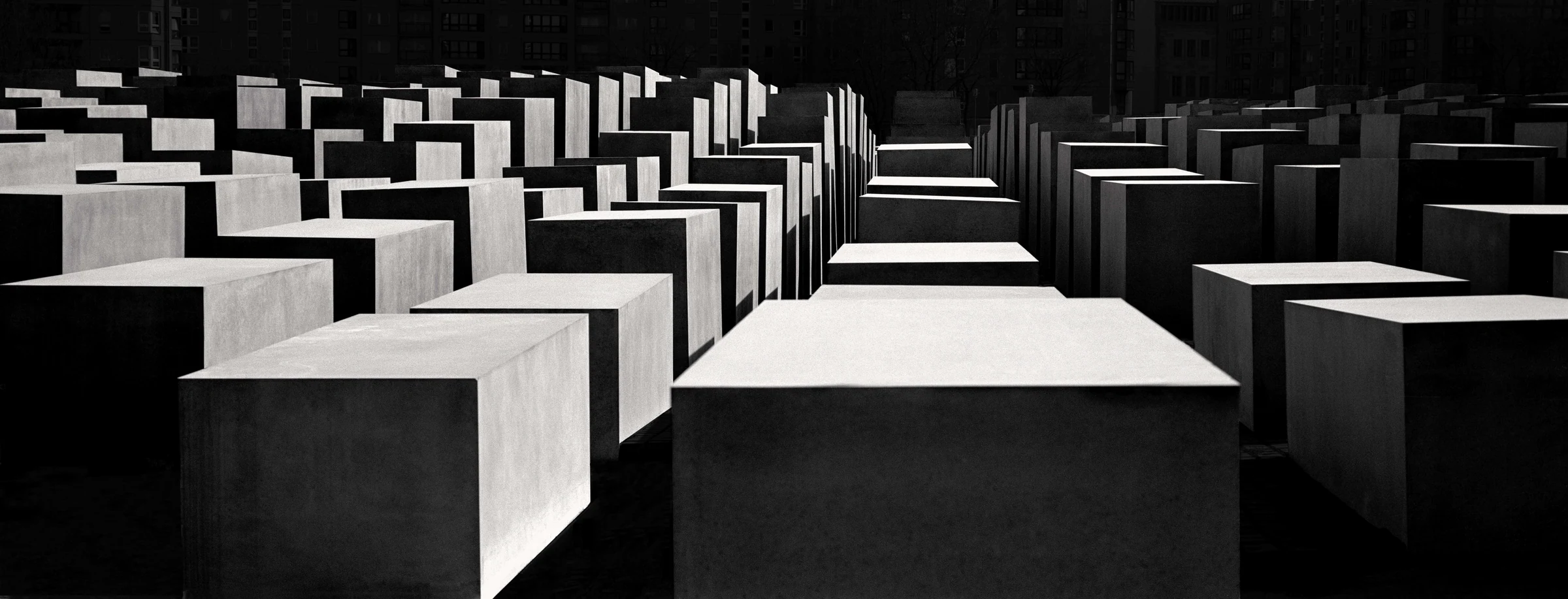
Spreeblitz
The quest in Plänterwald
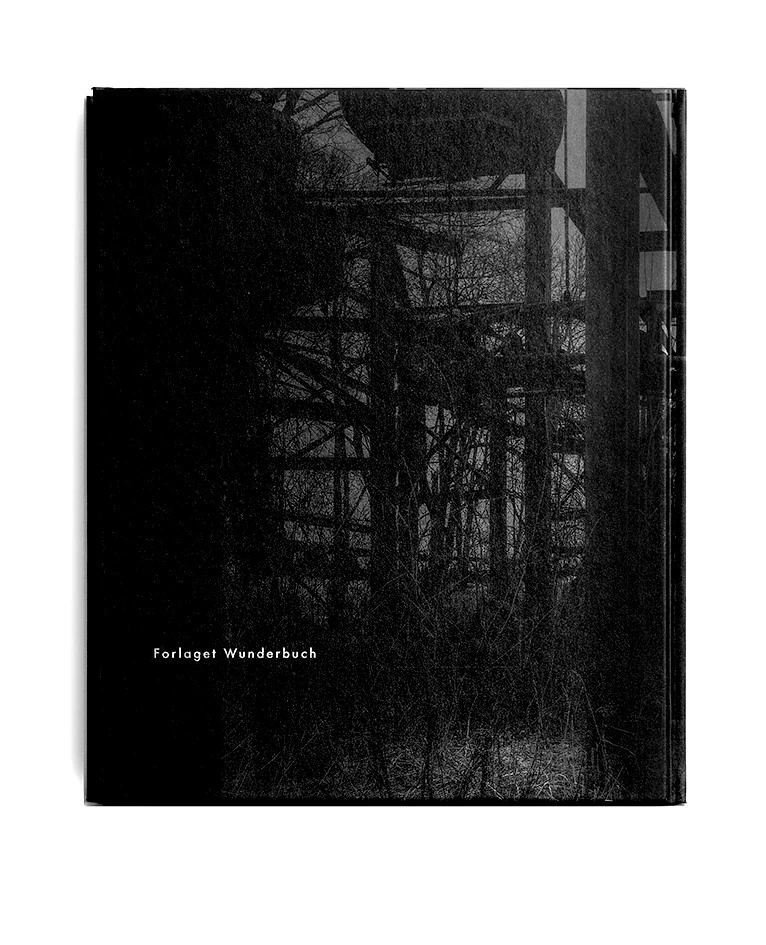
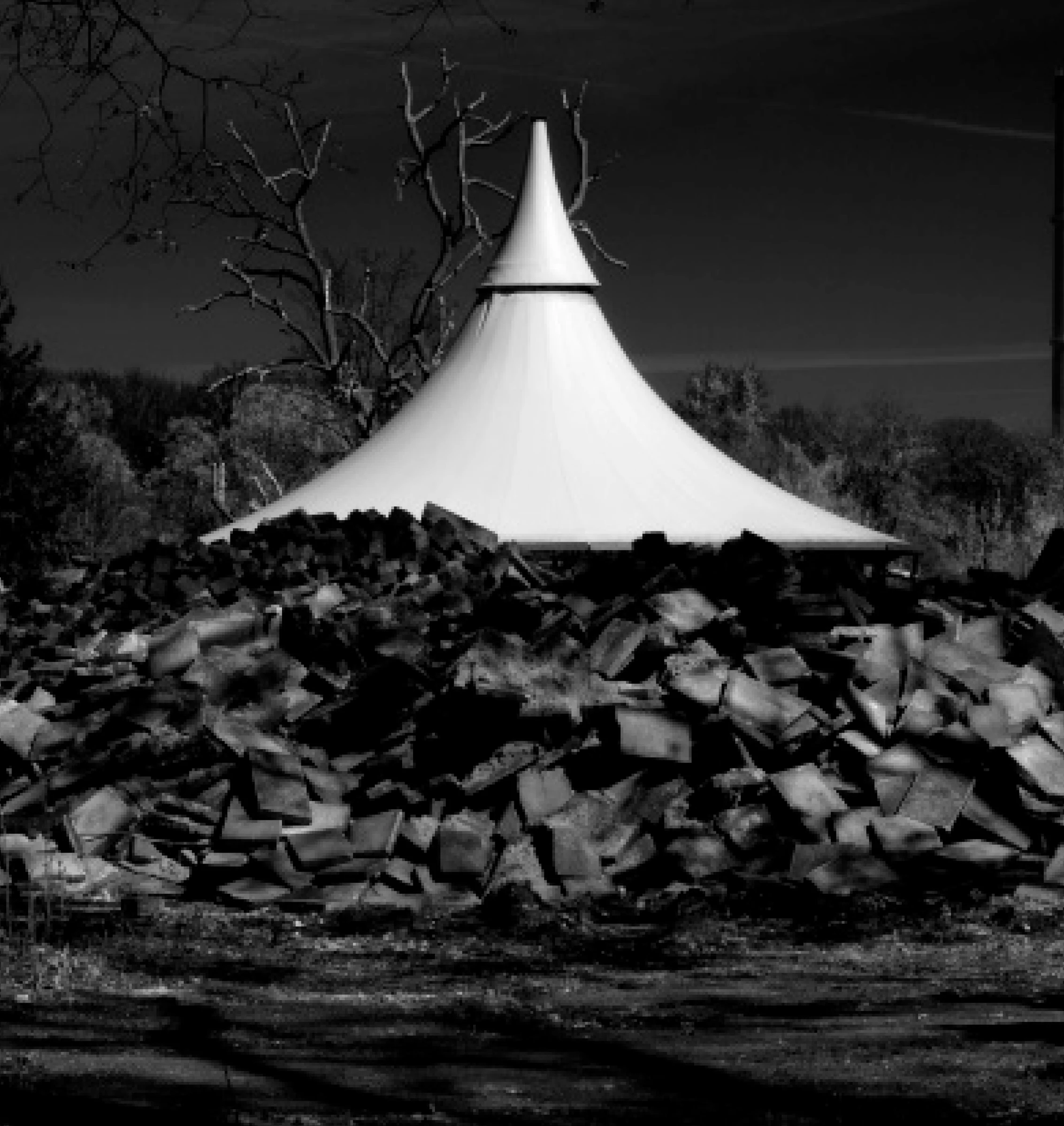
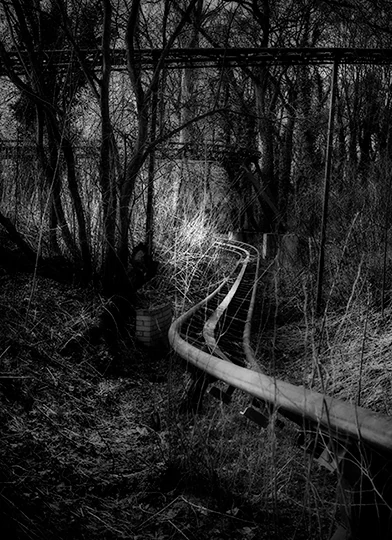
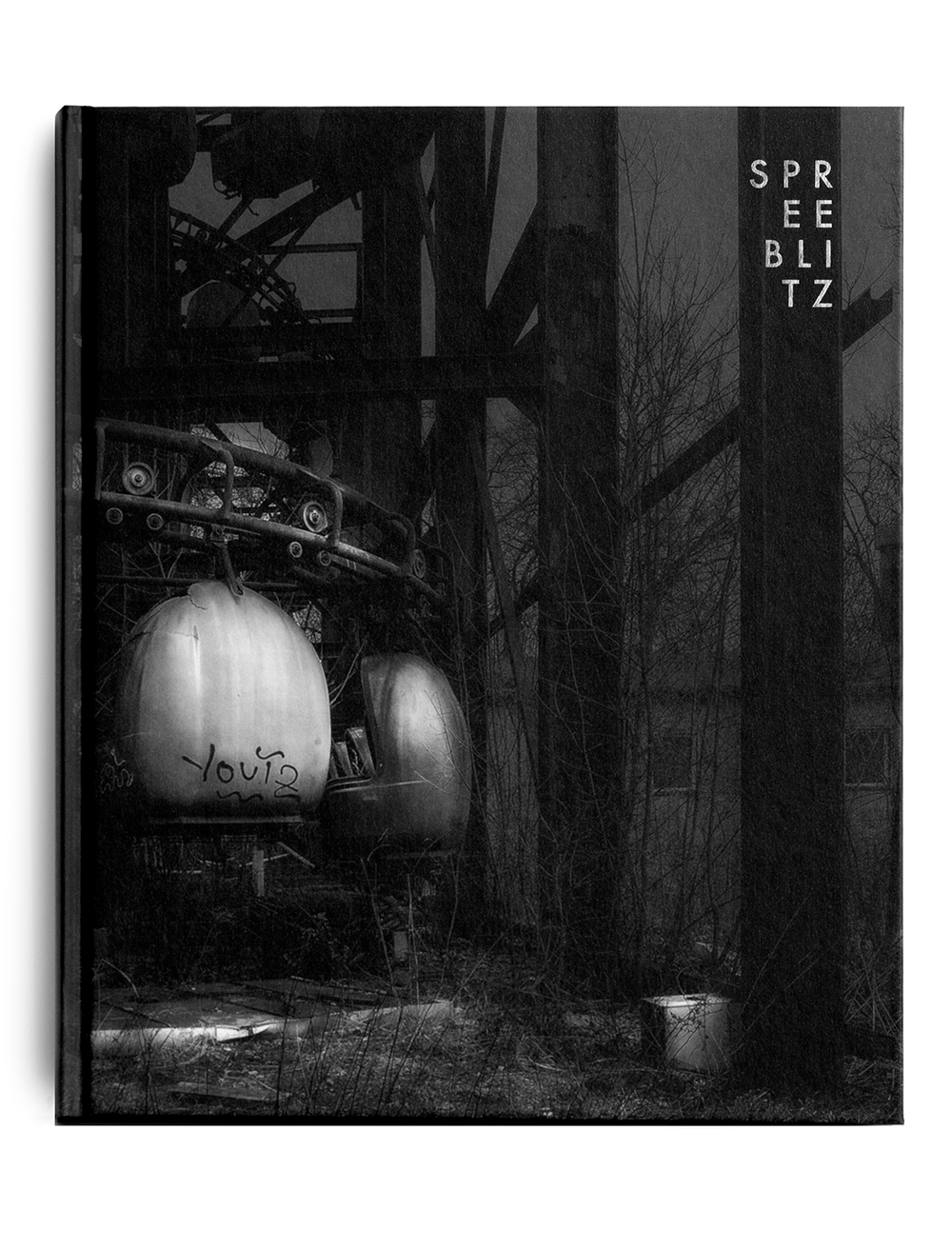
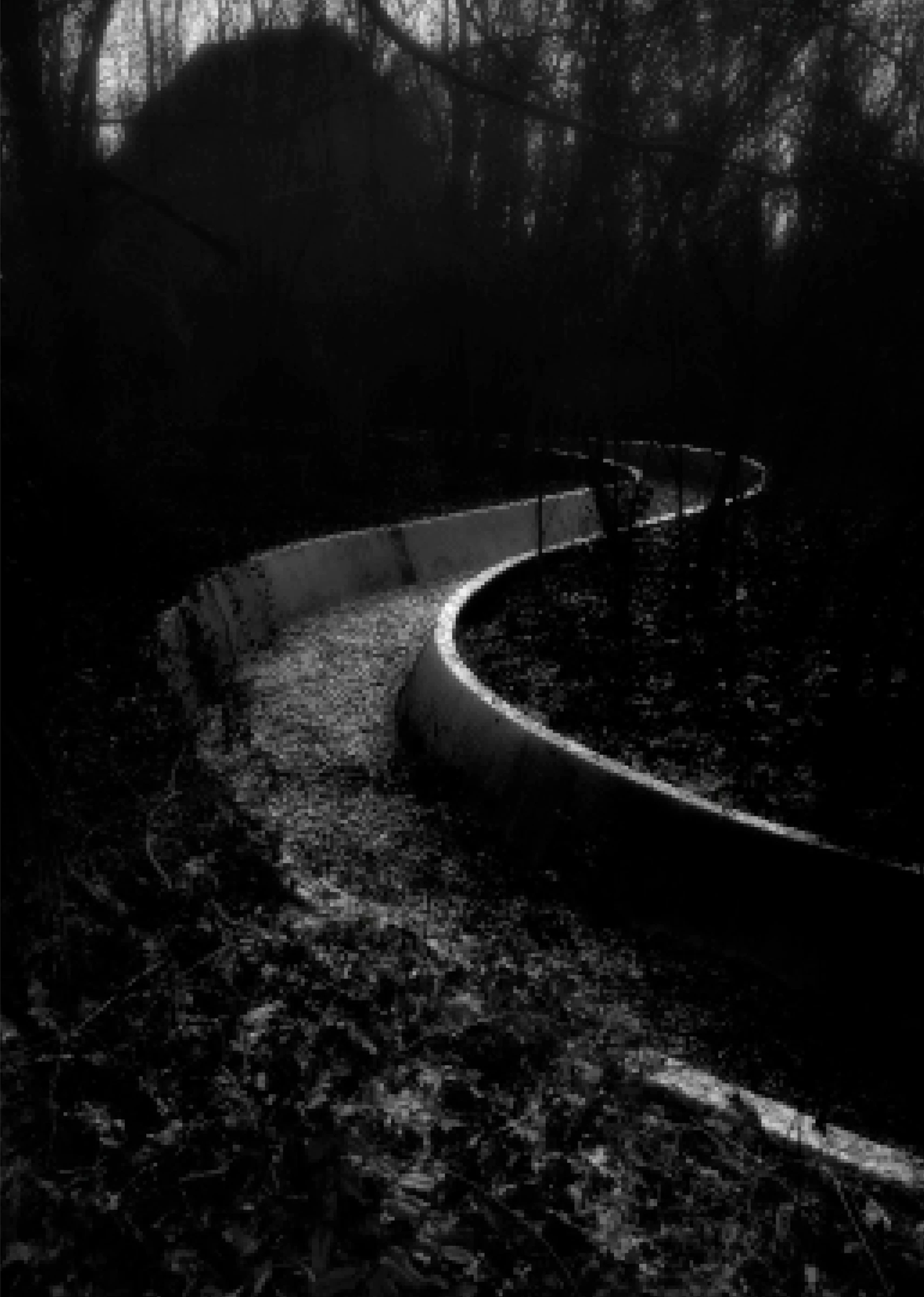
Forlaget Wunderbuch /
published October 2023
62 duotone illustrations
24 × 29 cm / 120 pages / hardcover / English
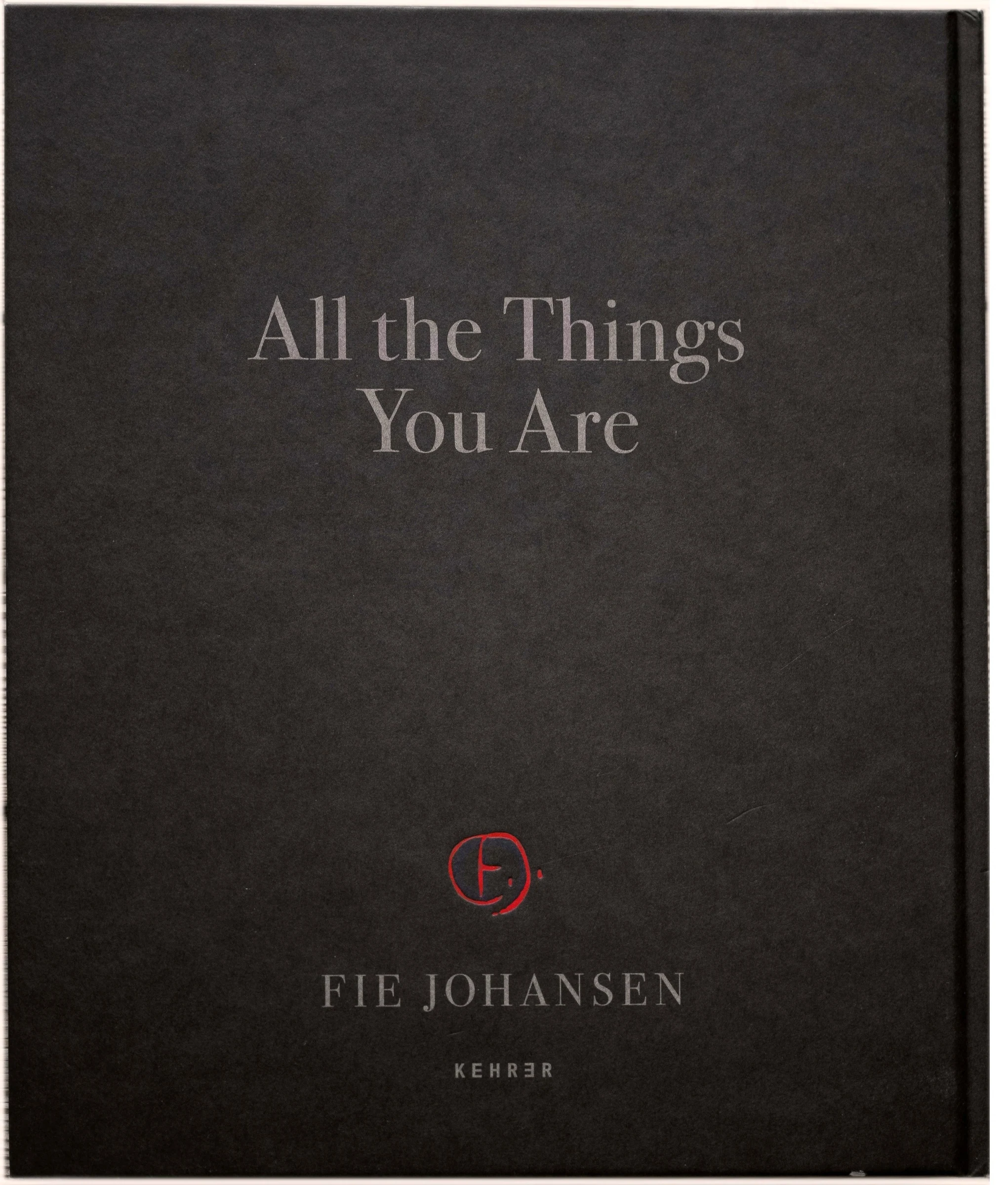
All the things you are
Kehrer Verlag
About
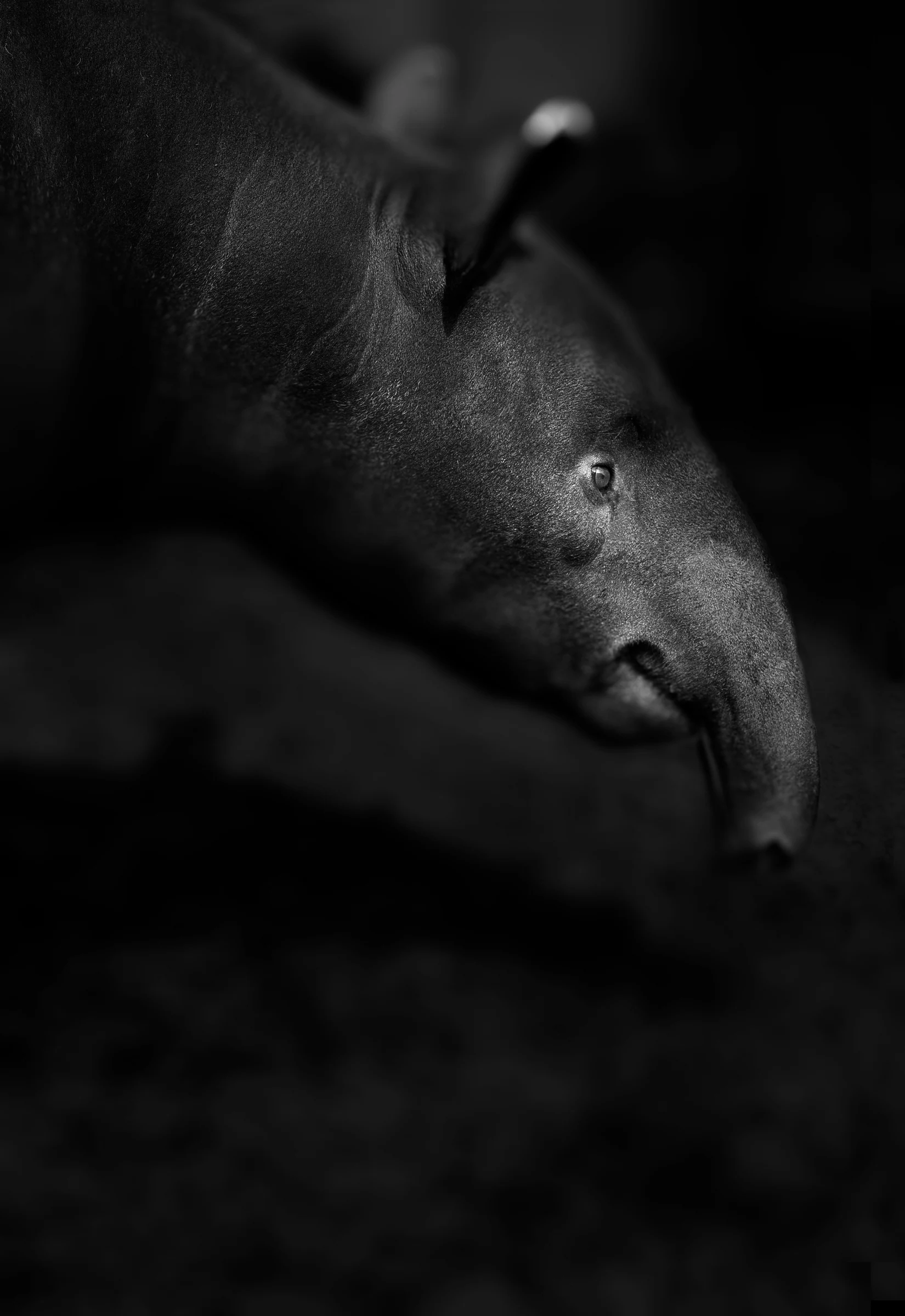
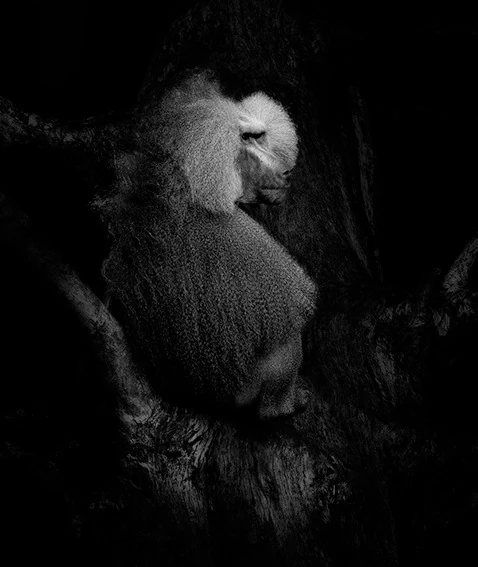
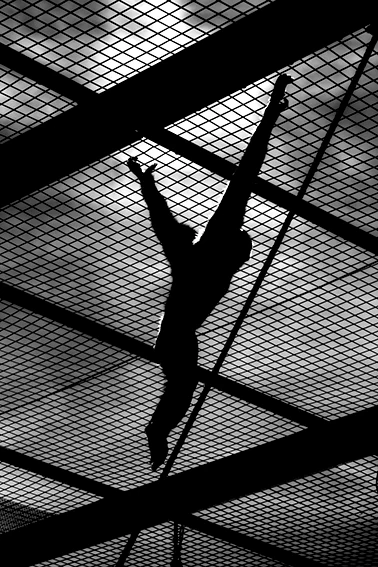
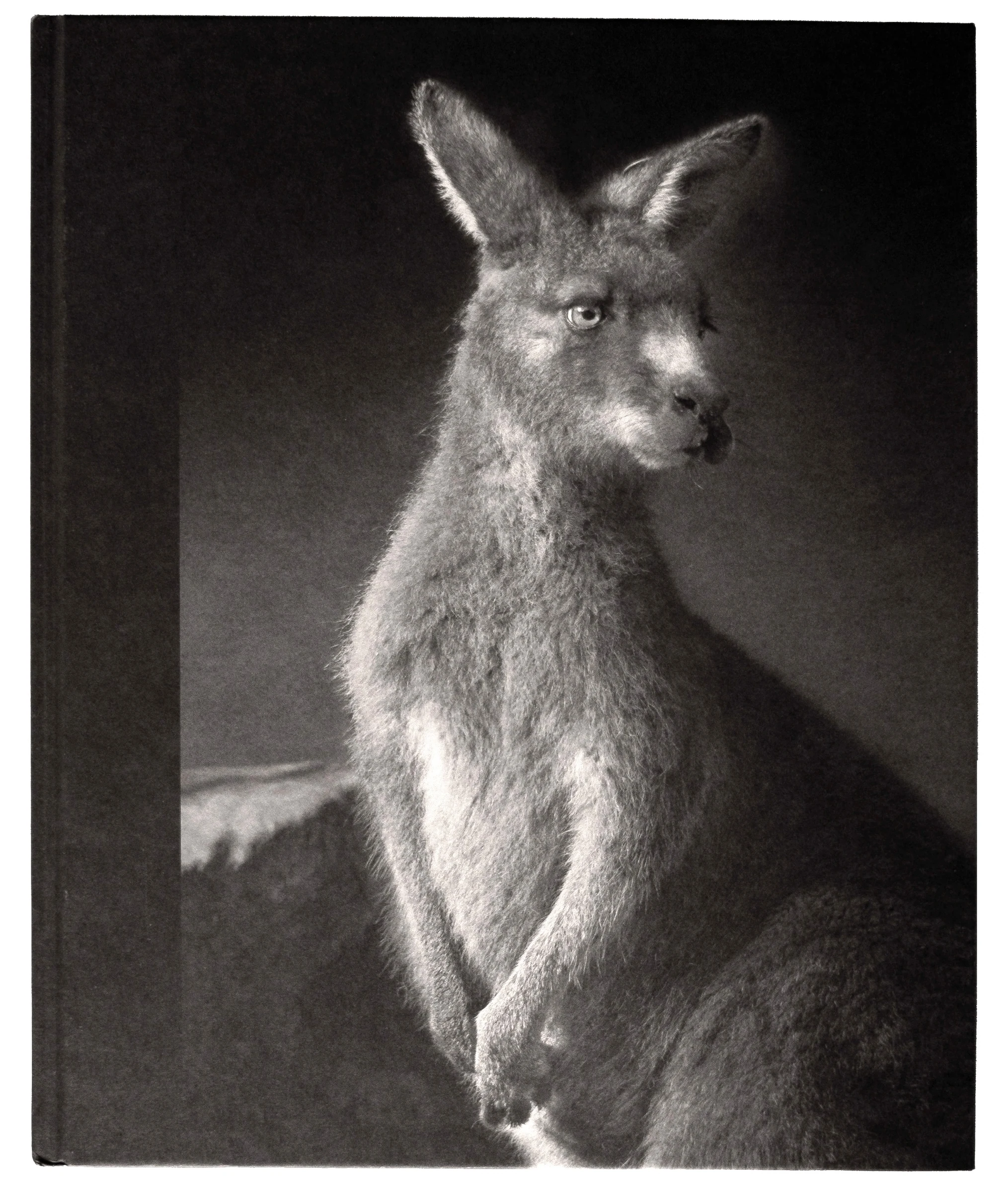
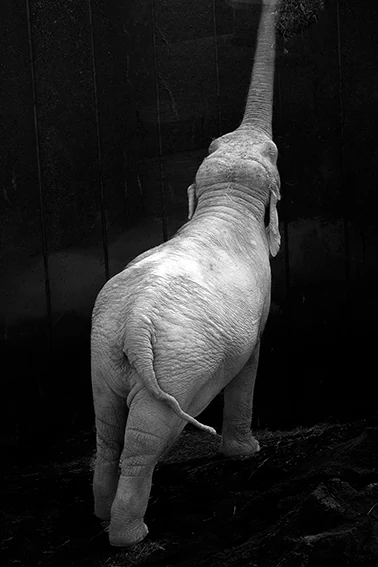
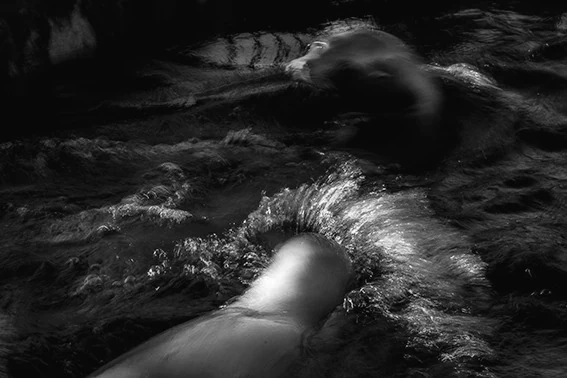
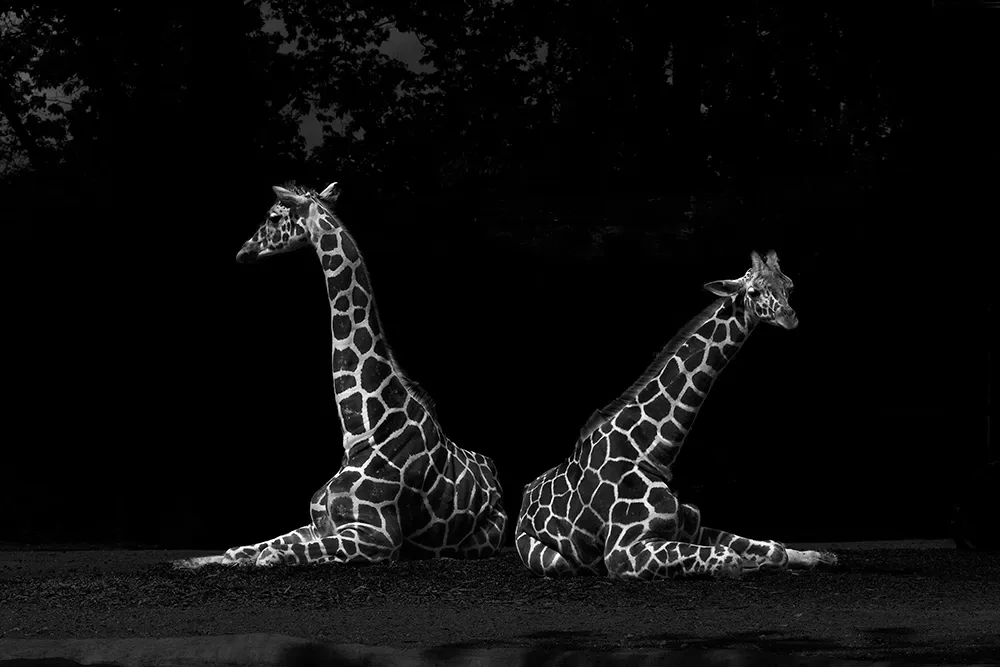
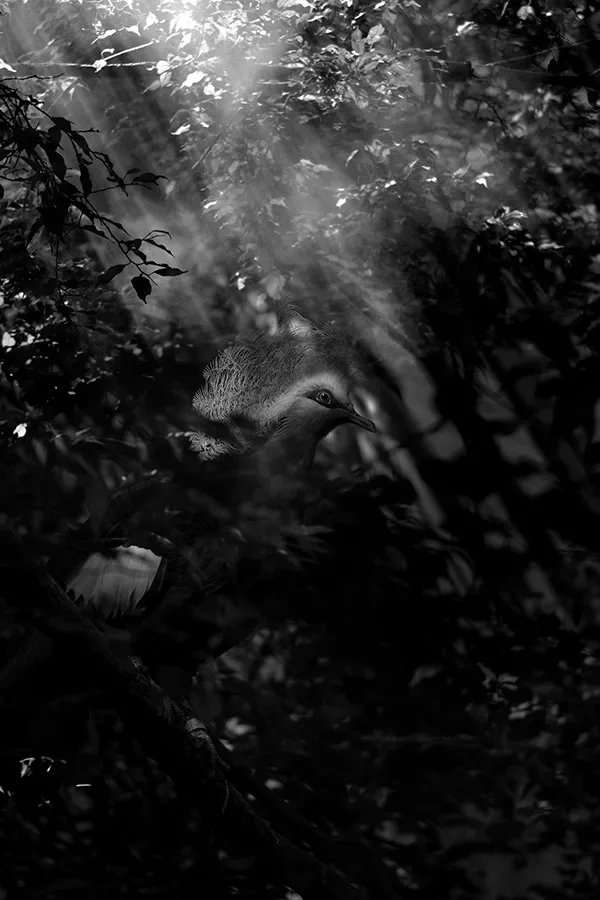
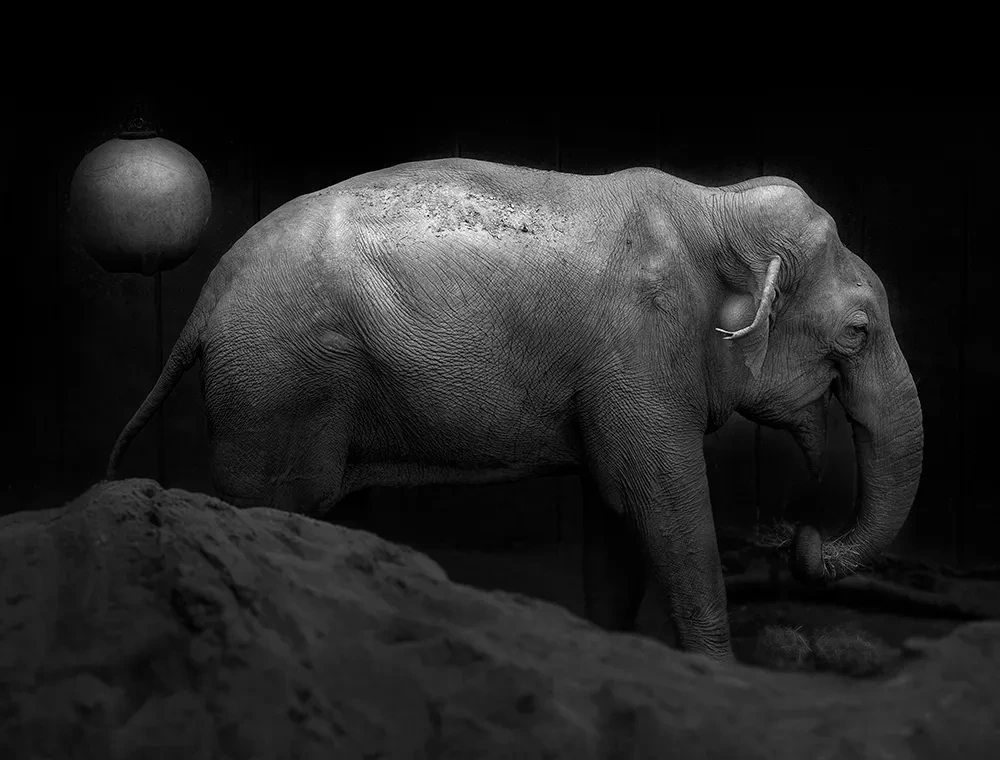
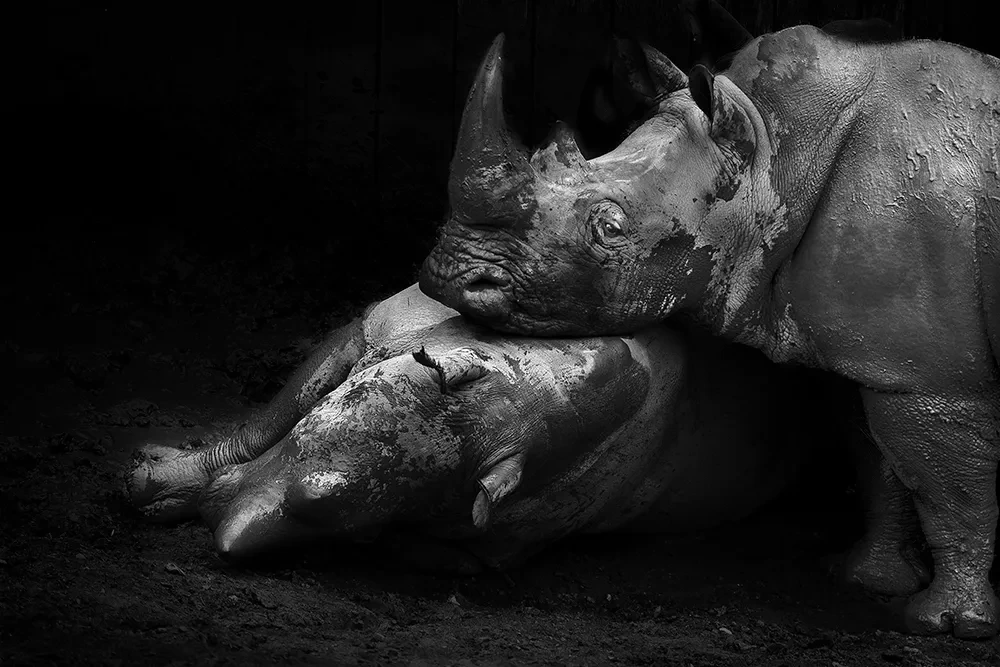
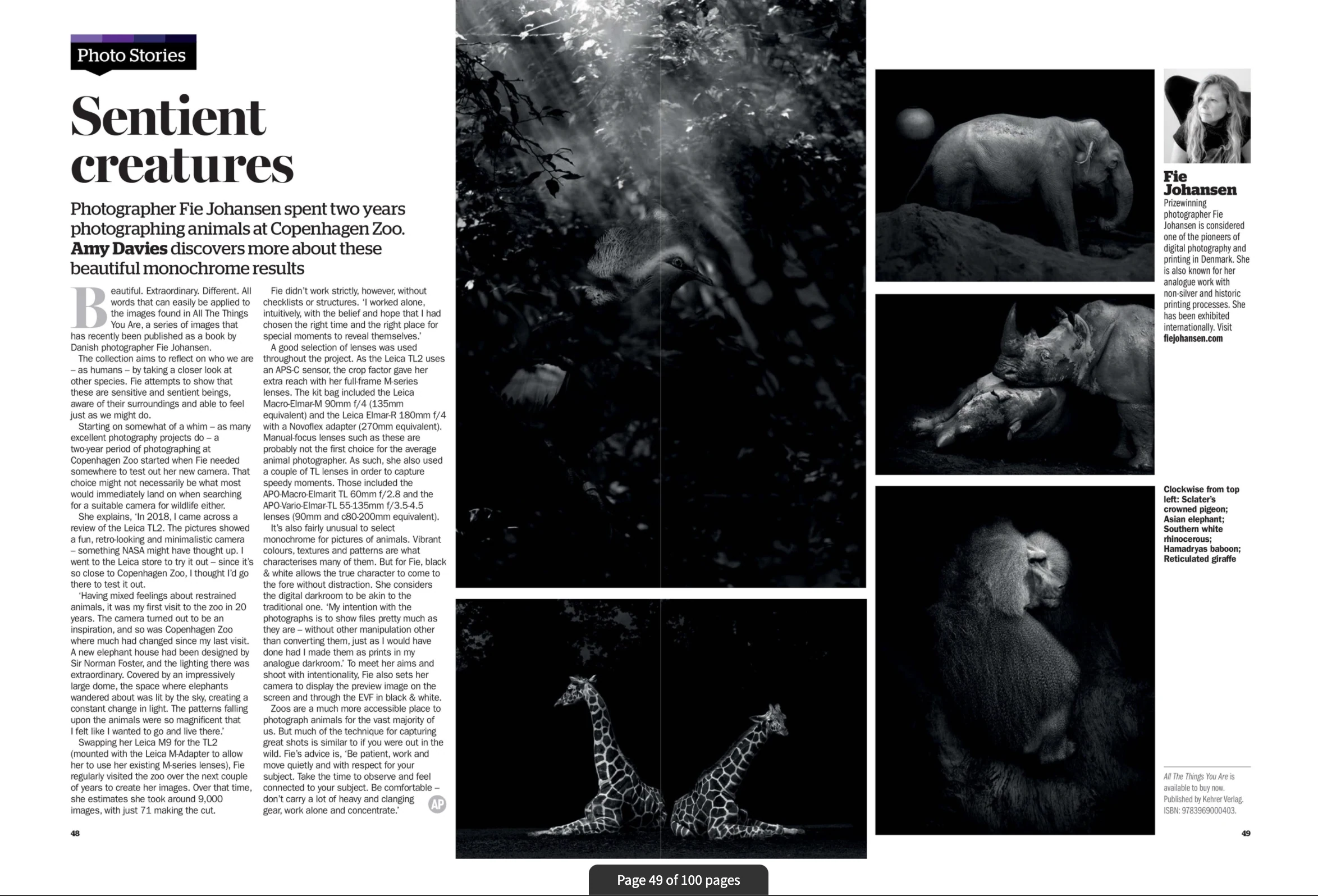
The book project All the things you are, is a black and white collection of animal portraits shot during a two year period at Copenhagen Zoo. The book is published by the German art publisher Kehrer Verlag, Kehrer Verlag is among the world's leading publishers of photo books.
The book's preface: Animals are sentient beings, conscious and aware of their surroundings. Like us they reflect and express emotion that can be captured in a single moment in time. A frozen millisecond that tells a story from a different species, but one to which we can relate.
Kehrer Verlag /
published November 2021
duotone illustrations
24 × 29 cm / 120 pages / hardcover / English
All the things you are — Press
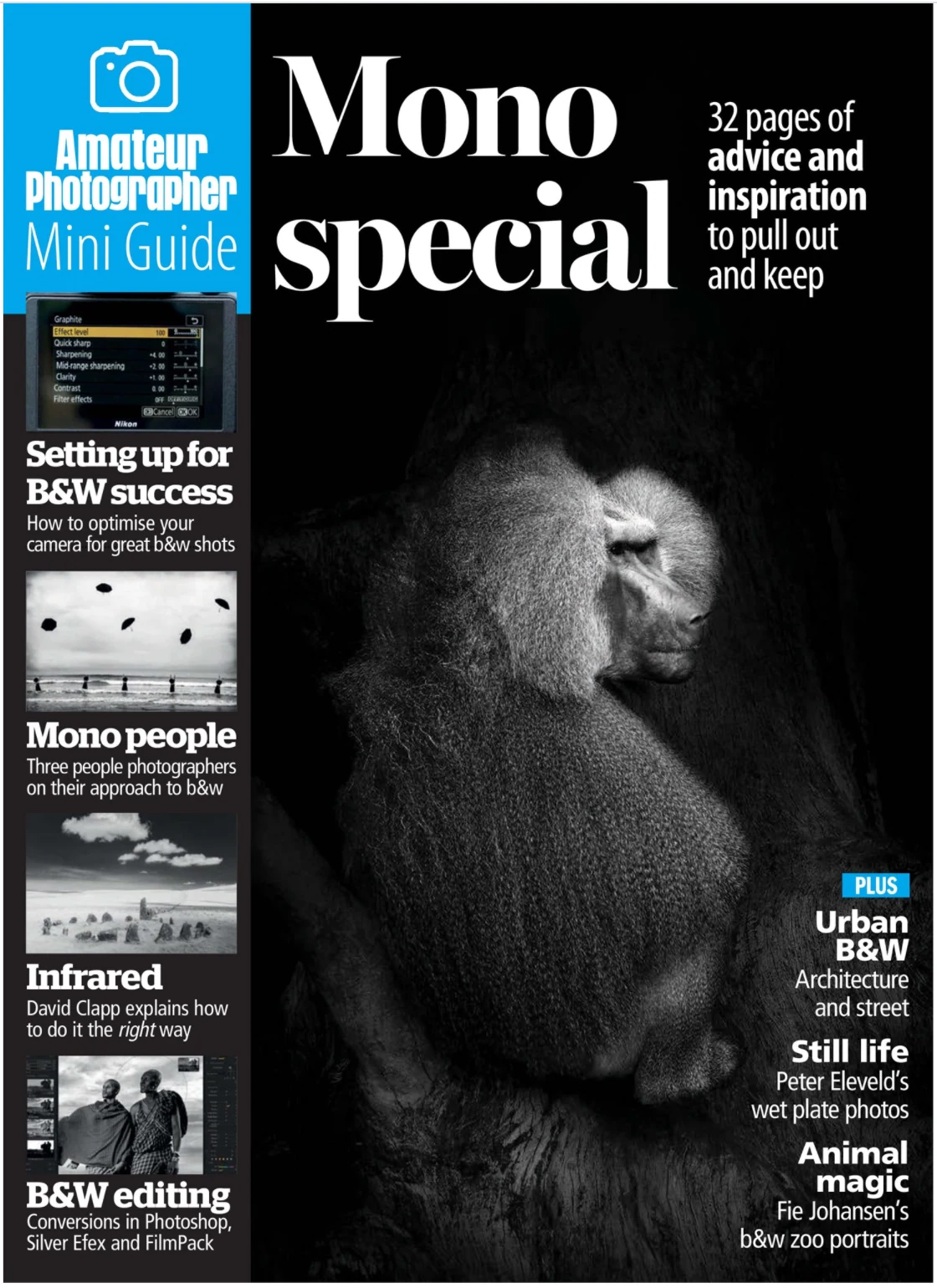
Amateur Photographer UK · “Sentient creatures” · Amy Davies

Exhibitions
25 May 2025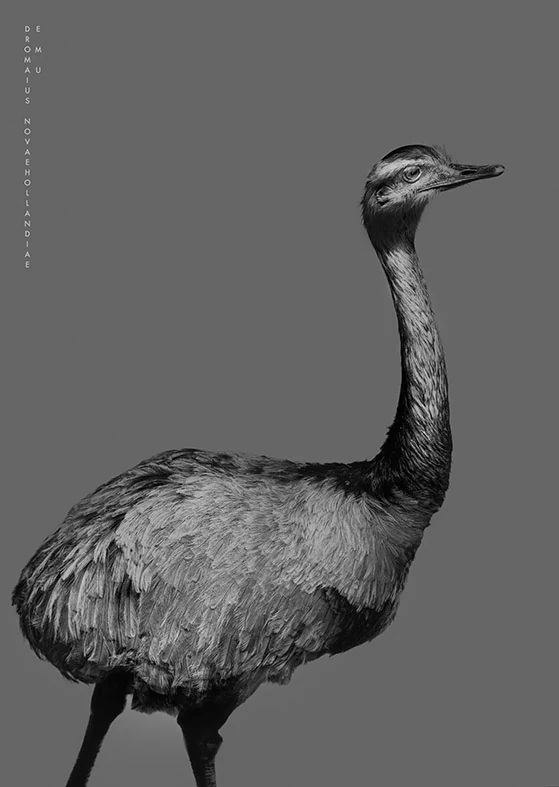
About the exhibition
Exhibition news from May 25, 2025 at Banja Rathnov Gallery and Art Trade, Studiestræde 14, CpH. Inner City
"The Cryolite Factory"
"All the things you are", Kehrer Verlag.
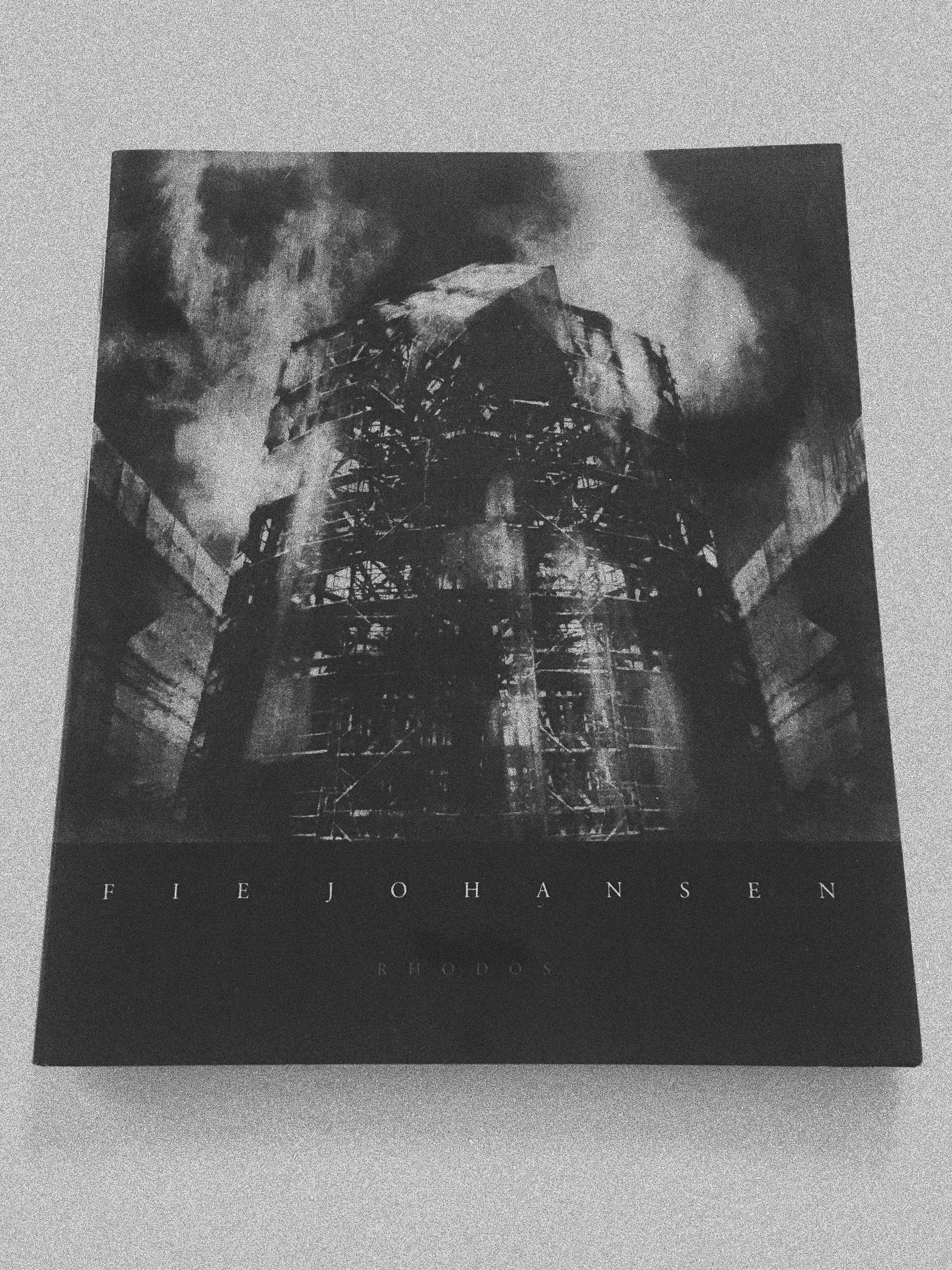
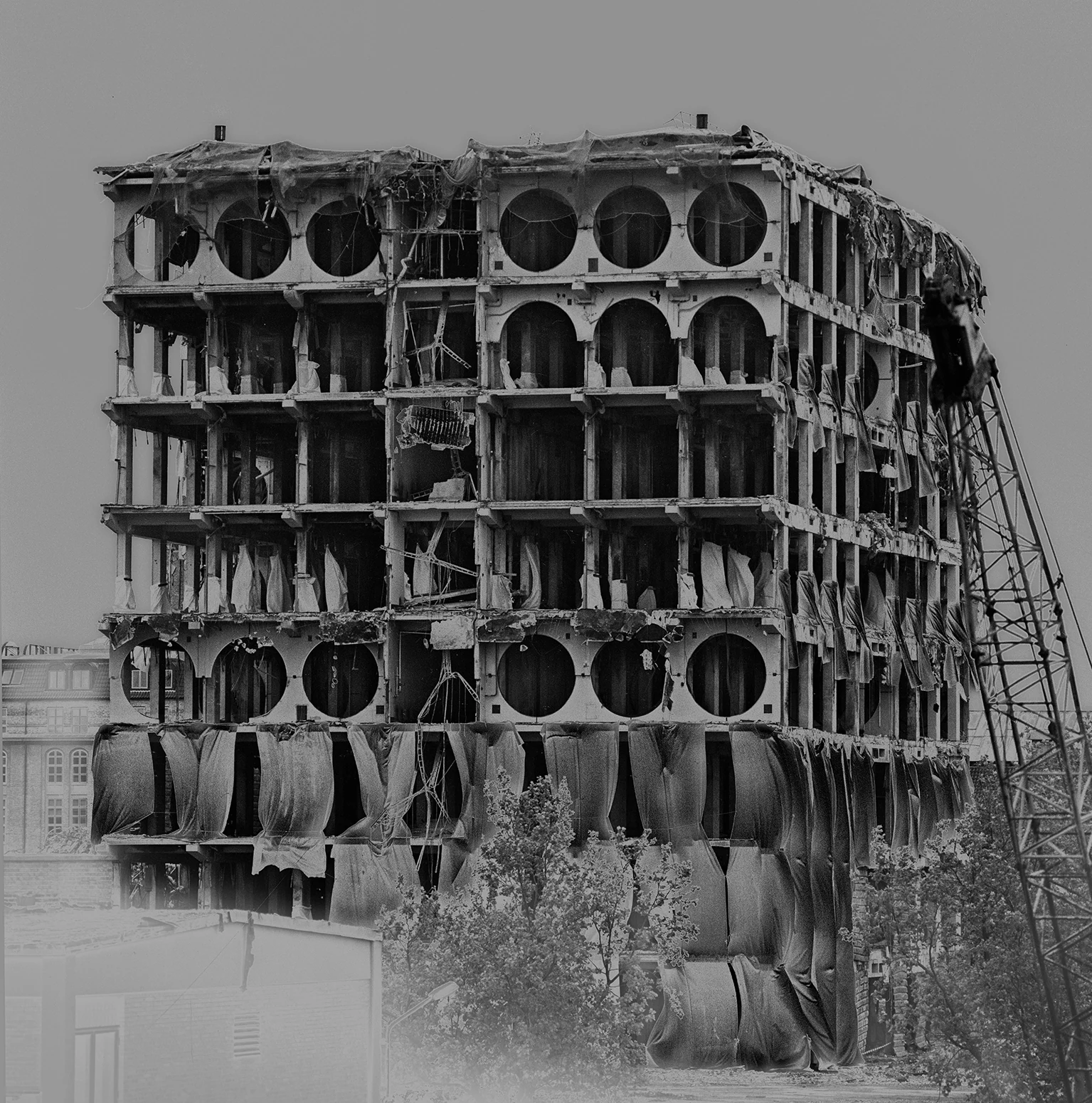
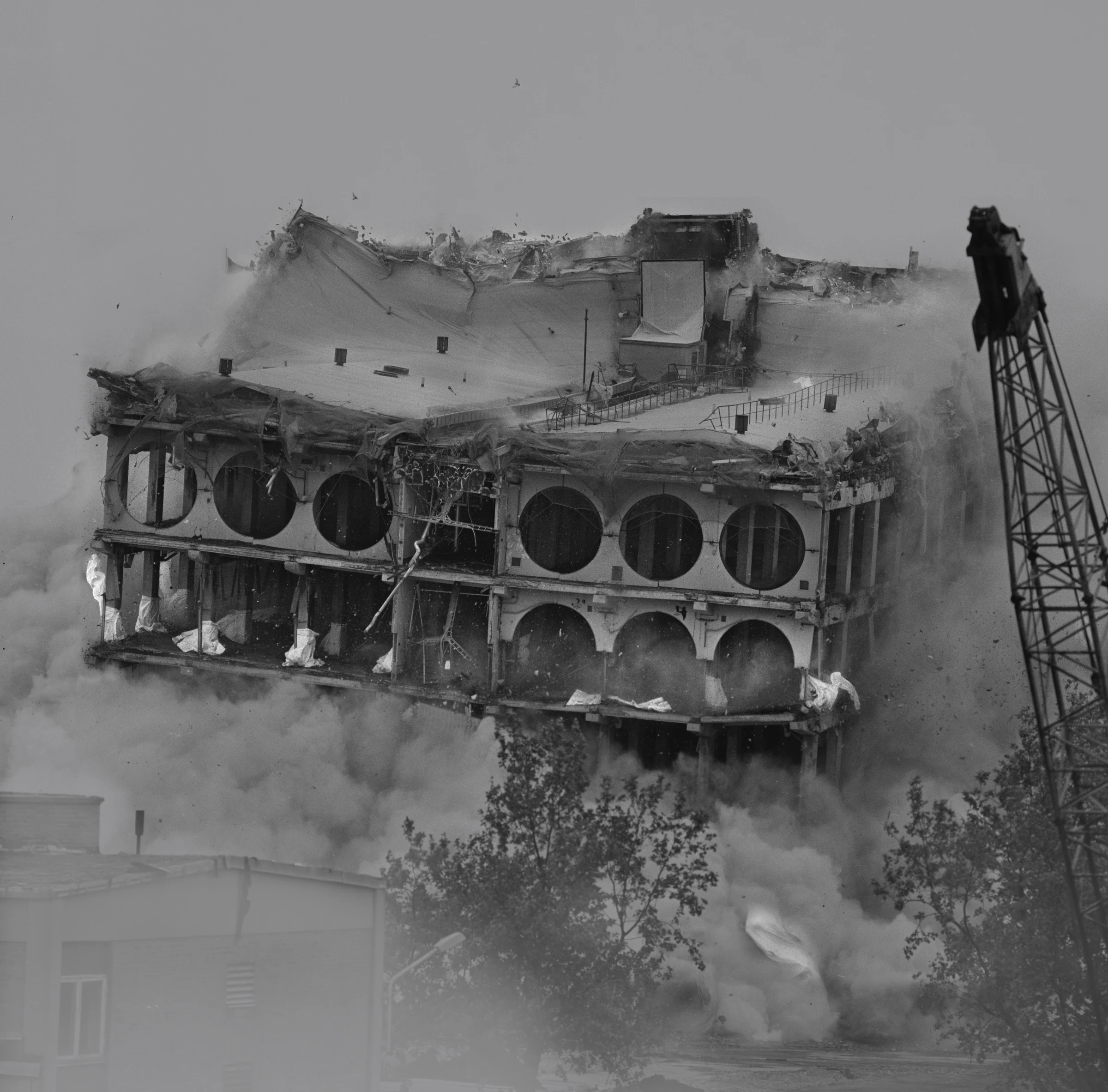
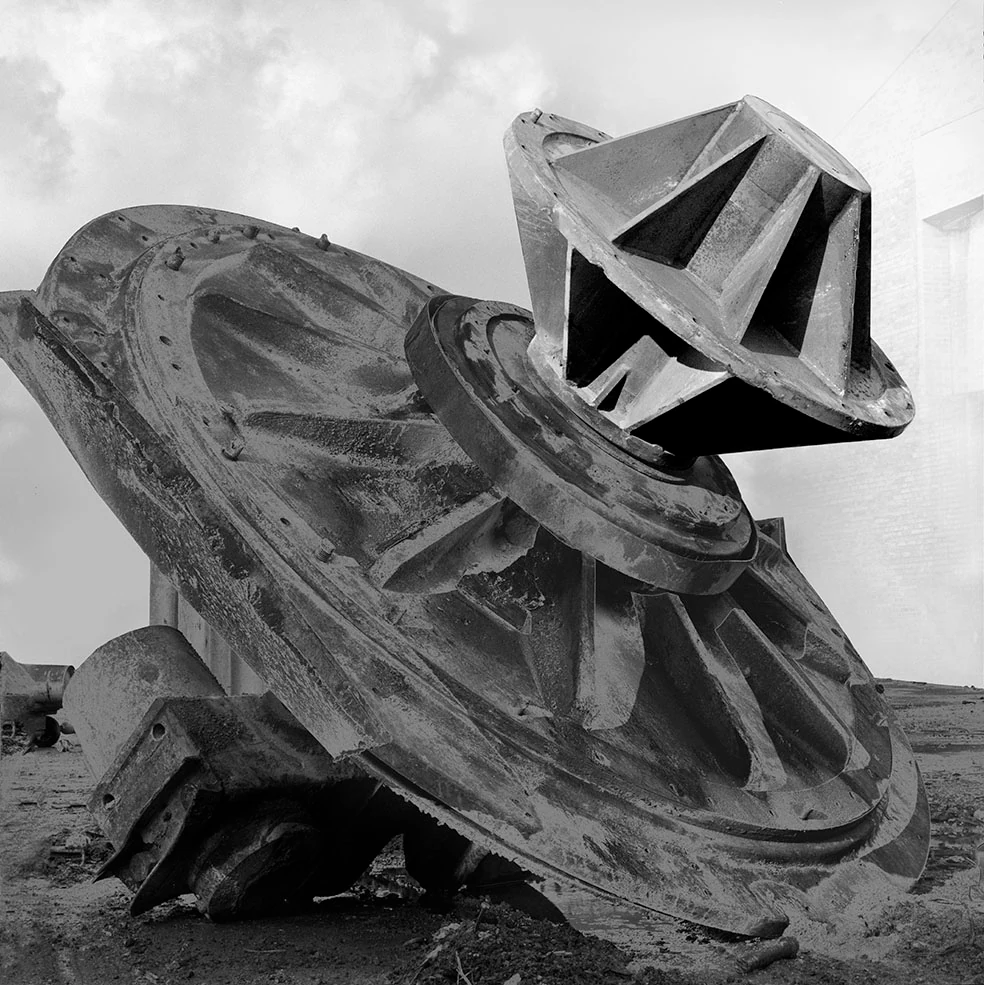
The Cryolite Factory is a series of analog black and white images, photographed in 1999 in the Øresund Chemical Factories in Østerbro, while it was being demolished. This is where the cryolite from Ivittuut in Greenland was processed after arriving by cargo ship to Kalkbrænderihavn in CpH.
Fie Johansen: In these photographic works we see dismantled machines placed outside in the open, detached from their normal functions and surroundings. Concrete columns and load-bearing beams dominate the empty Industrial Halls, where the absence of people, use and activity gives a feeling of freedom and an expectation of the space of the possible.
The debate about Greenland and the Cryolite Mine in Ivittuut over the past year, makes the series relevant. This is the first time the works are shown.
Spreeblitz — Weekendavisen
31 December 2023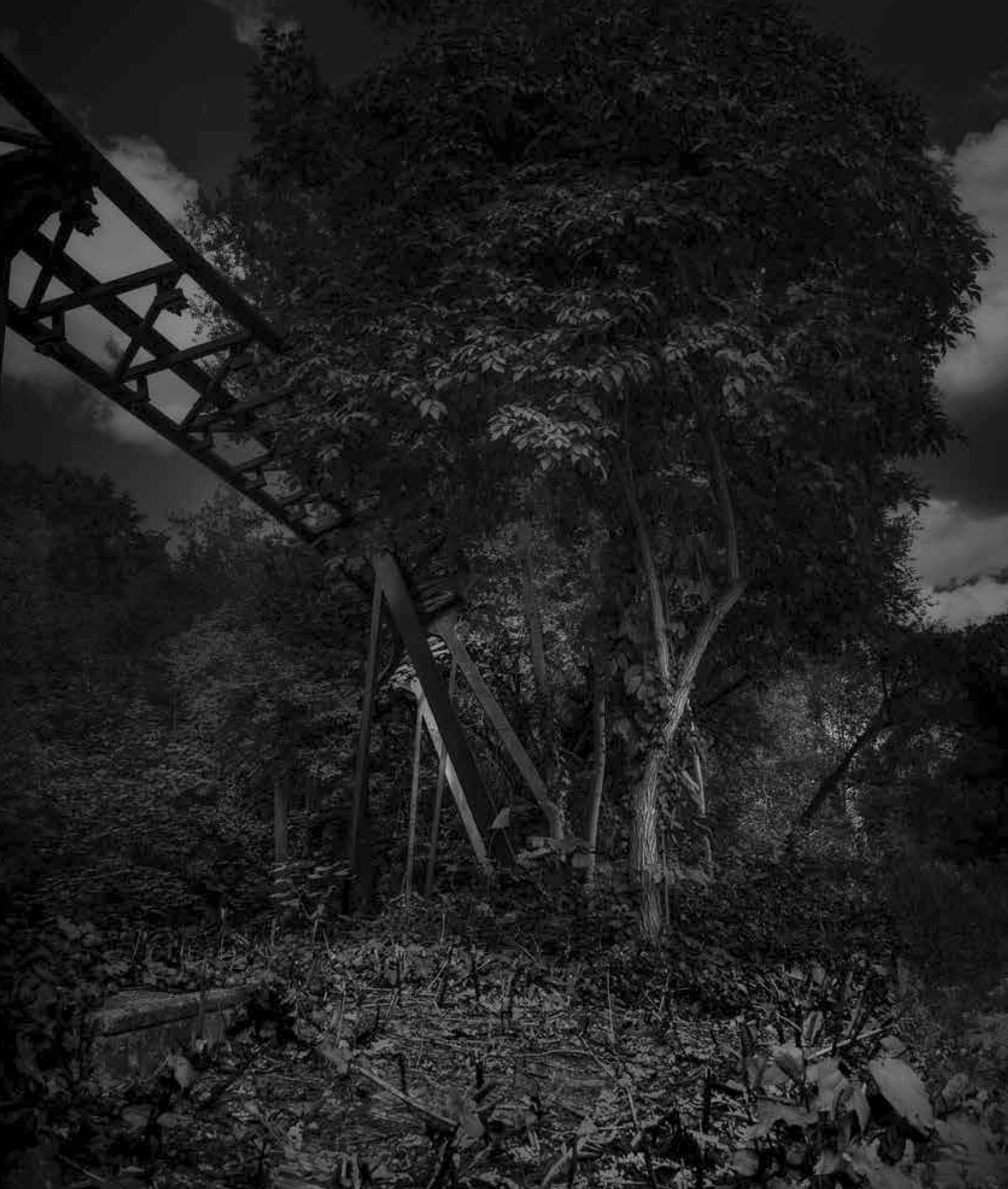
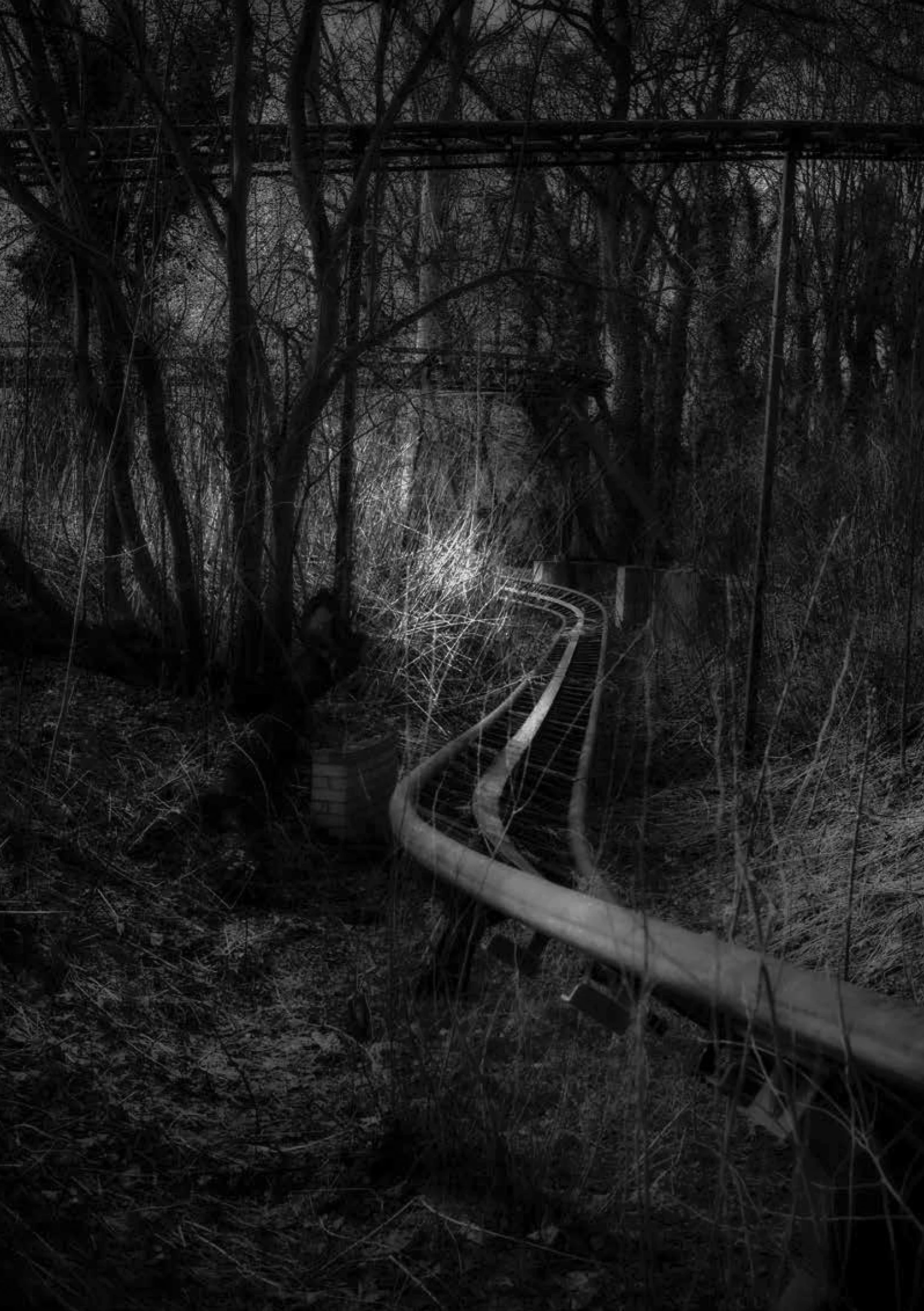
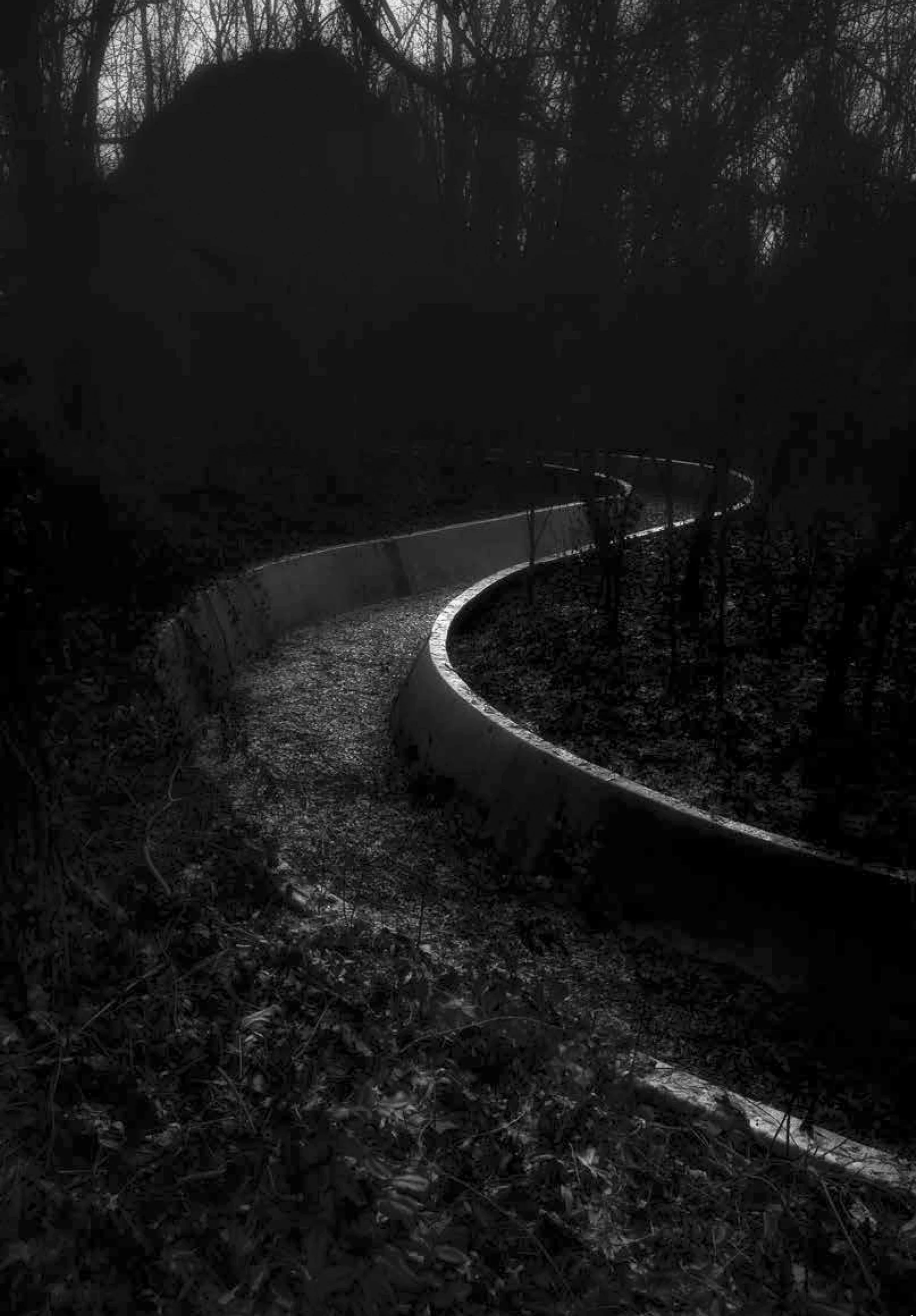
FIE JOHANSEN (born 1953) has worked steadily and calmly with her own consistent photographic expression over many decades. With her new photo book, Spreeblitz, we are in a very special expression. These are darkly shivering, gothic mood-bubbling, black-and-white, digitally processed photographs presented in classic photobook fashion, with one photo per page.150-gram art paper.
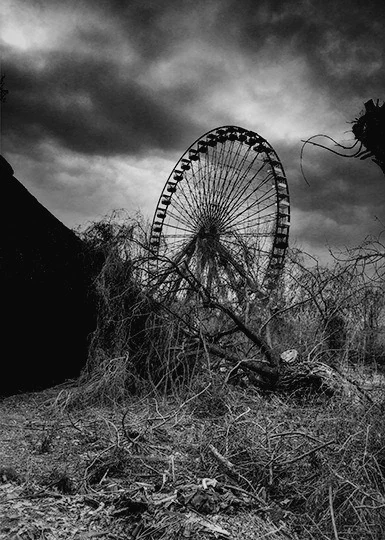
For ten years, Fie Johansen has been photographing a disused amusement park, Spreepark, in the Plänterwald forest just outside Berlin. The park with the characteristic Ferris wheel, swan-shaped sailboats and especially the many huge plastic dinosaurs was the only one of its kind in East Germany. After the fall of the Wall, the private owners tried to keep it alive, but had to throw in the towel, partly because it was not built with sufficiently large parking spaces for the discerning and car-driving public of the new world. In 2001, the owners went bankrupt and the park stood dead, which it still does until the city of Berlin bought it in 2014 and now plans to open a new cultural park there in 2026. Since 2001, decay has thus set in while nature slowly , but have steadily invaded the park, which can only be visited on special guided tours. It is certainly a motif that attracts image makers, from filmmakers to the many photographers who have photographed the overturned Ferris wheel, the "dead" swans and especially the slides' laughing signature giant cat, which is the main motif when you google the theme park.
As I said, there are many photos of this alluring disused amusement park, all in color, but none quite like Fie Johansen's bleak-melancholy, horror-like rendering of drifting black clouds, rotting waterholes with silhouettes of prehistoric lizards and elephants, a toppled grandstand canopy whose metal stand looks like a giant spider, trees with glowing white leaves and metal surfaces, lightly machined to appear as a post-nuclear nightmare fantasy.
Fie Johansen has not been able to wander around freely herself, and in a single photo you can see some other tourists taking photos at the very edge of the picture. Abandoned amusement parks approach a photographic cliché. But nevertheless, Fie Johansen has managed to produce her very own interpretation of this well-photographed place in a way that has not been seen before. The park appears as a beautiful and alluring post-apocalyptic, cinematographic ghost fantasy in the Anthropocene age, a most bizarre time machine that mixes dinosaur primeval times with futures that we have difficulty imagining, but which the artists help us to picture.
Mette Sandbye
31 December 2023 · Weekendavisen
Texts by Jytte Rex and Tove Thage. 128 pages. ForlagetWunderbuch.dk
Politiken Graphic print
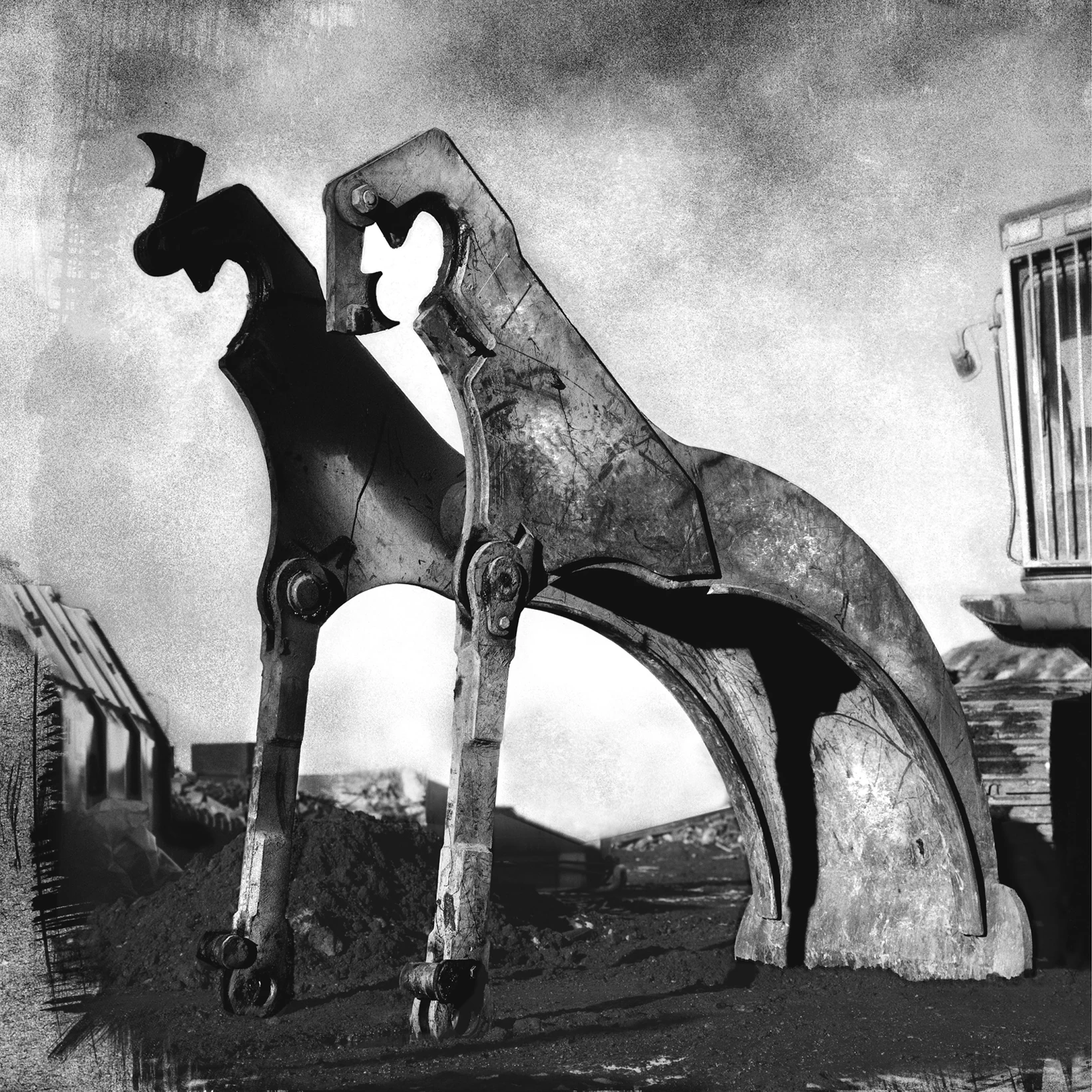
Grab – The Trojan Horse. Politiken’s graphic special print, 59 × 42 cm.
Grab – The Trojan Horse isn’t only about the surprising likeness between an animal and a tool in a special industrial landscape, but also about a richness in graphic possibilities of expression.
PMH, Politiken
Printer’s print from a scanned gum print on platinum/palladium print.
Denmark in Transition
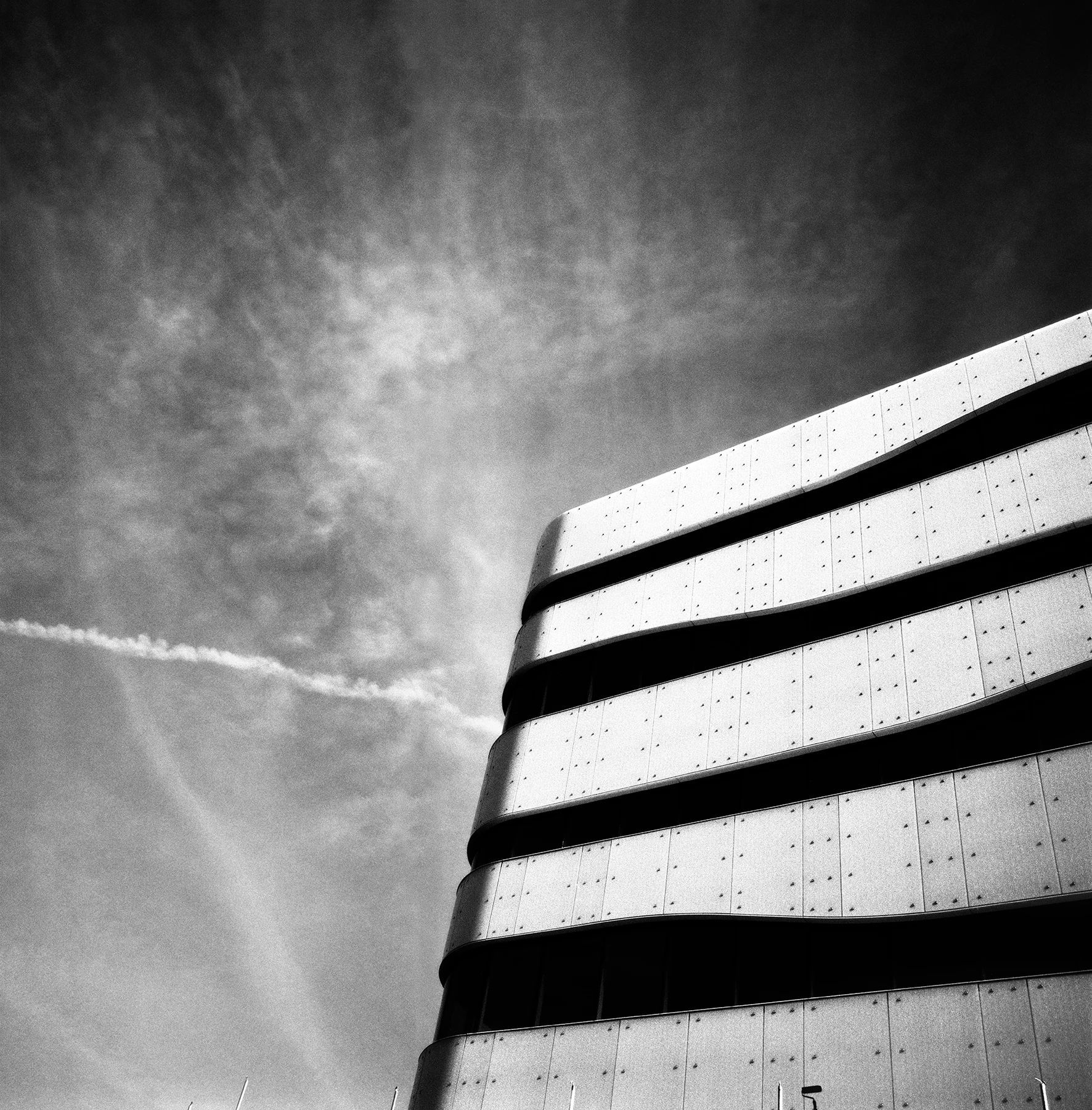
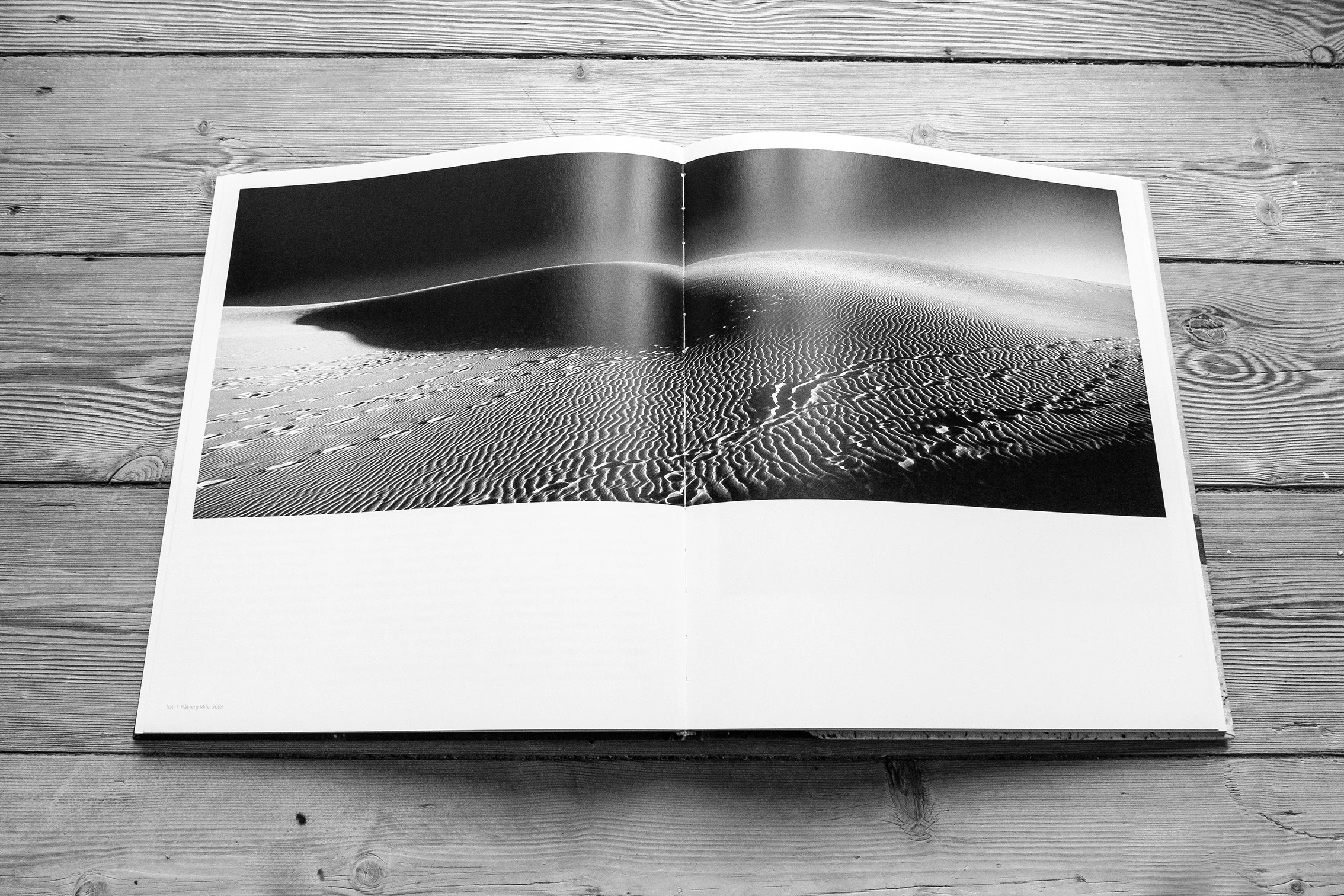
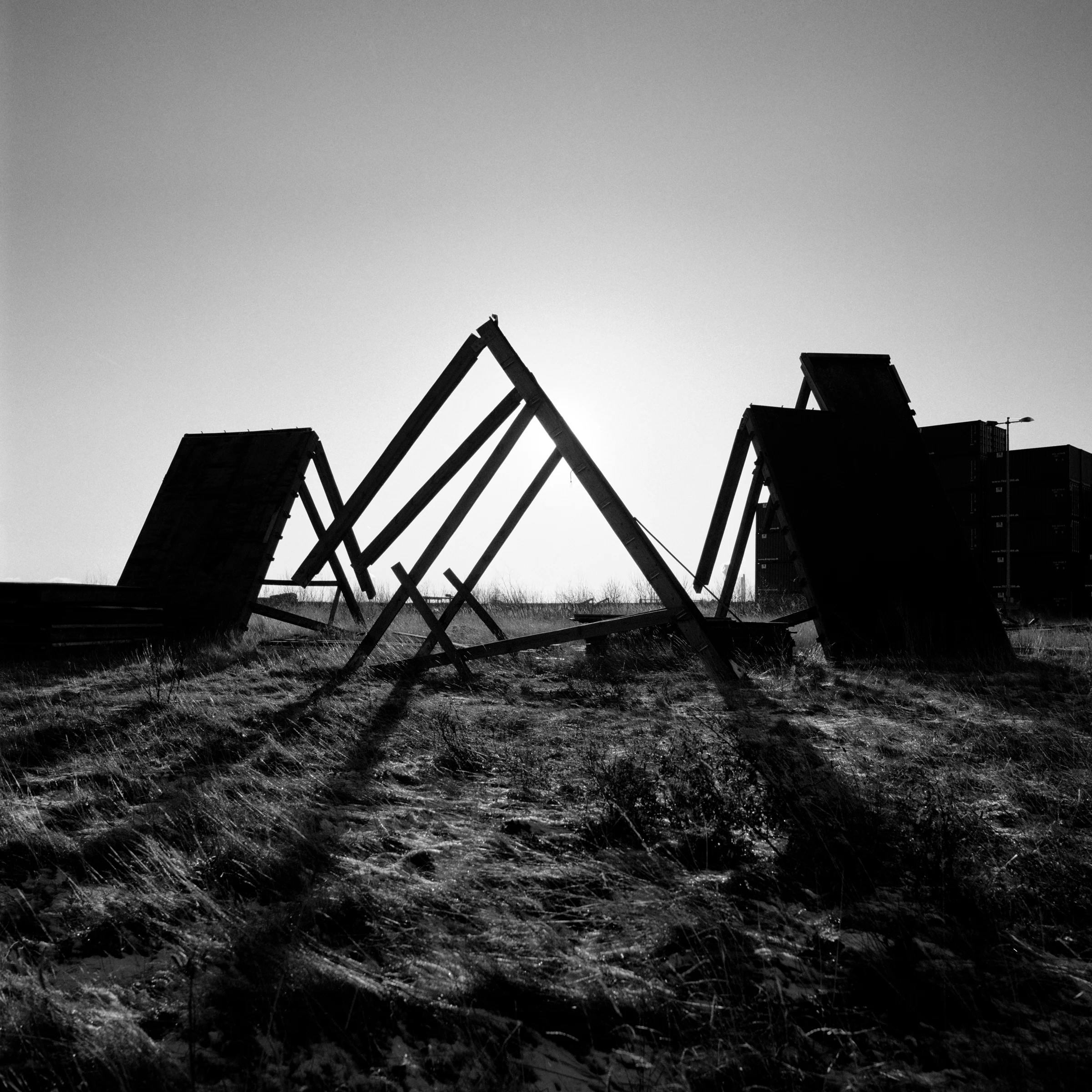
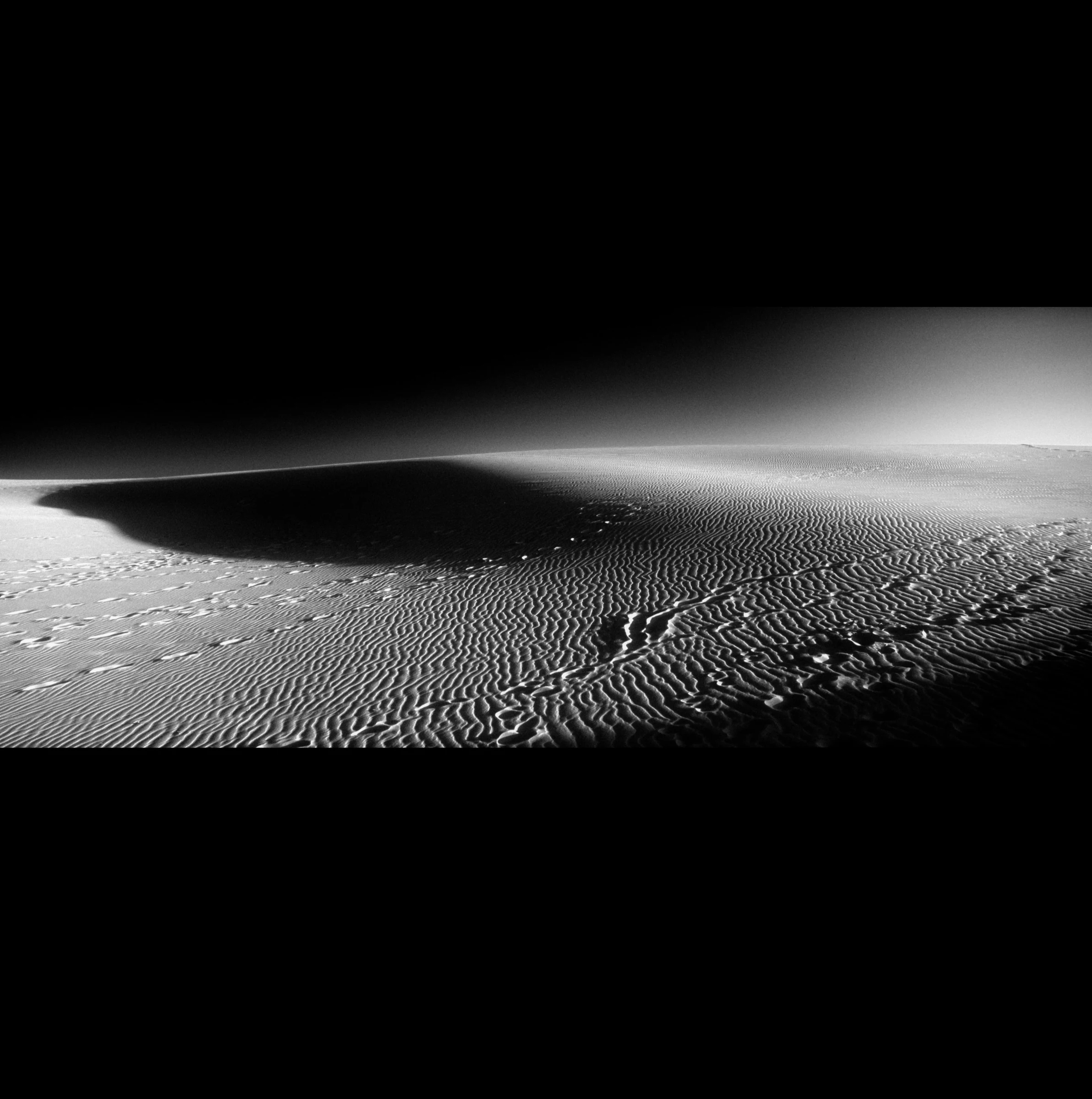
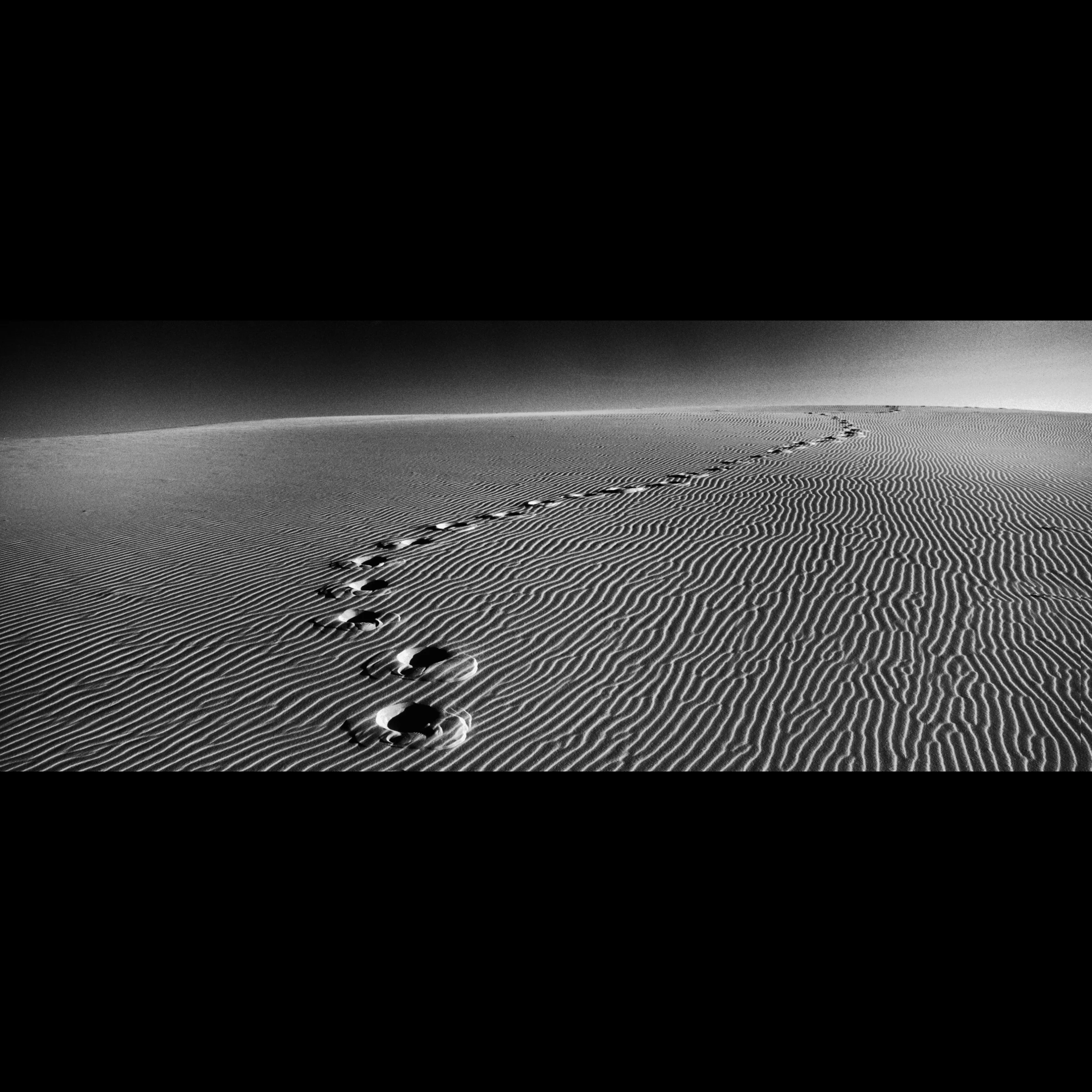
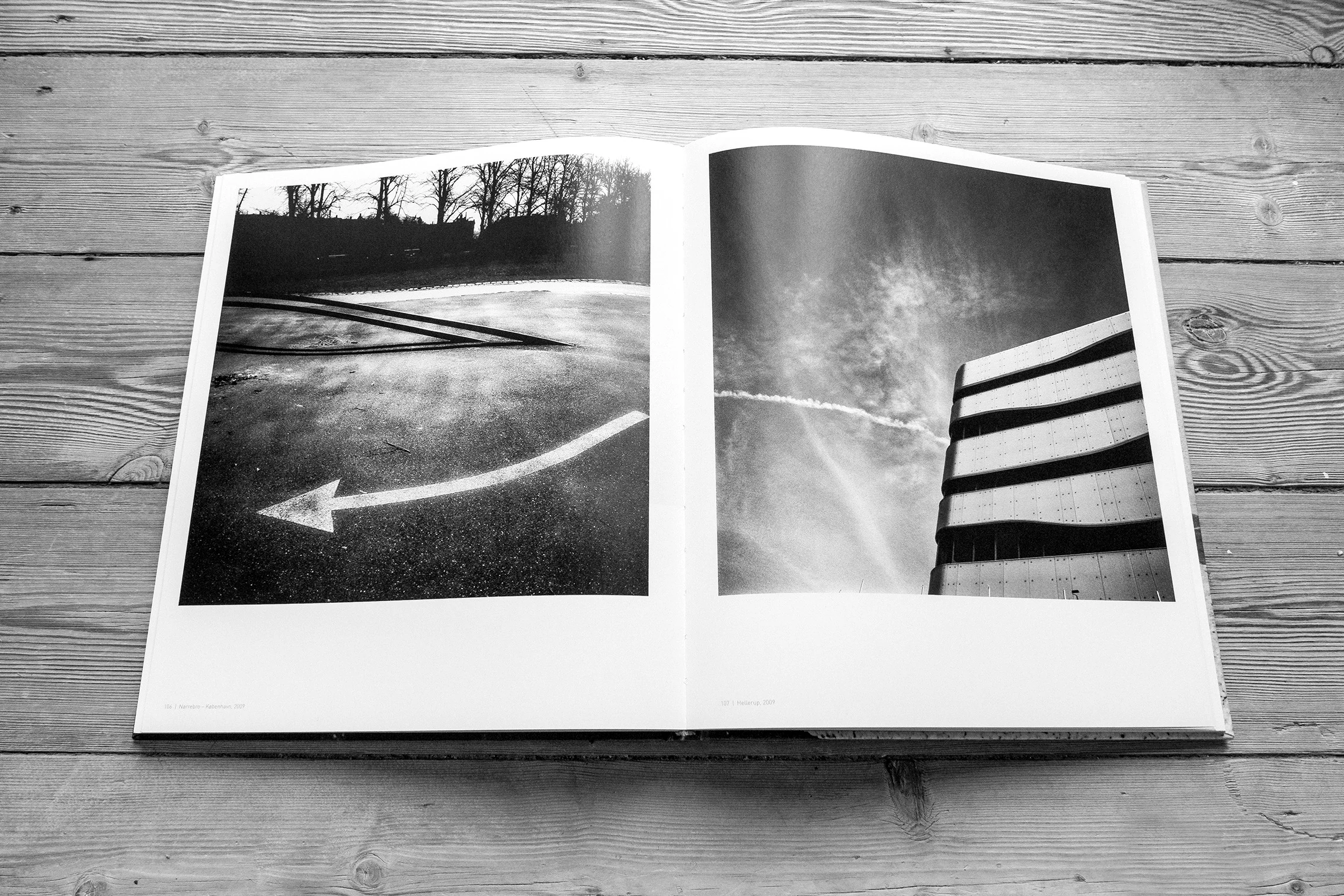
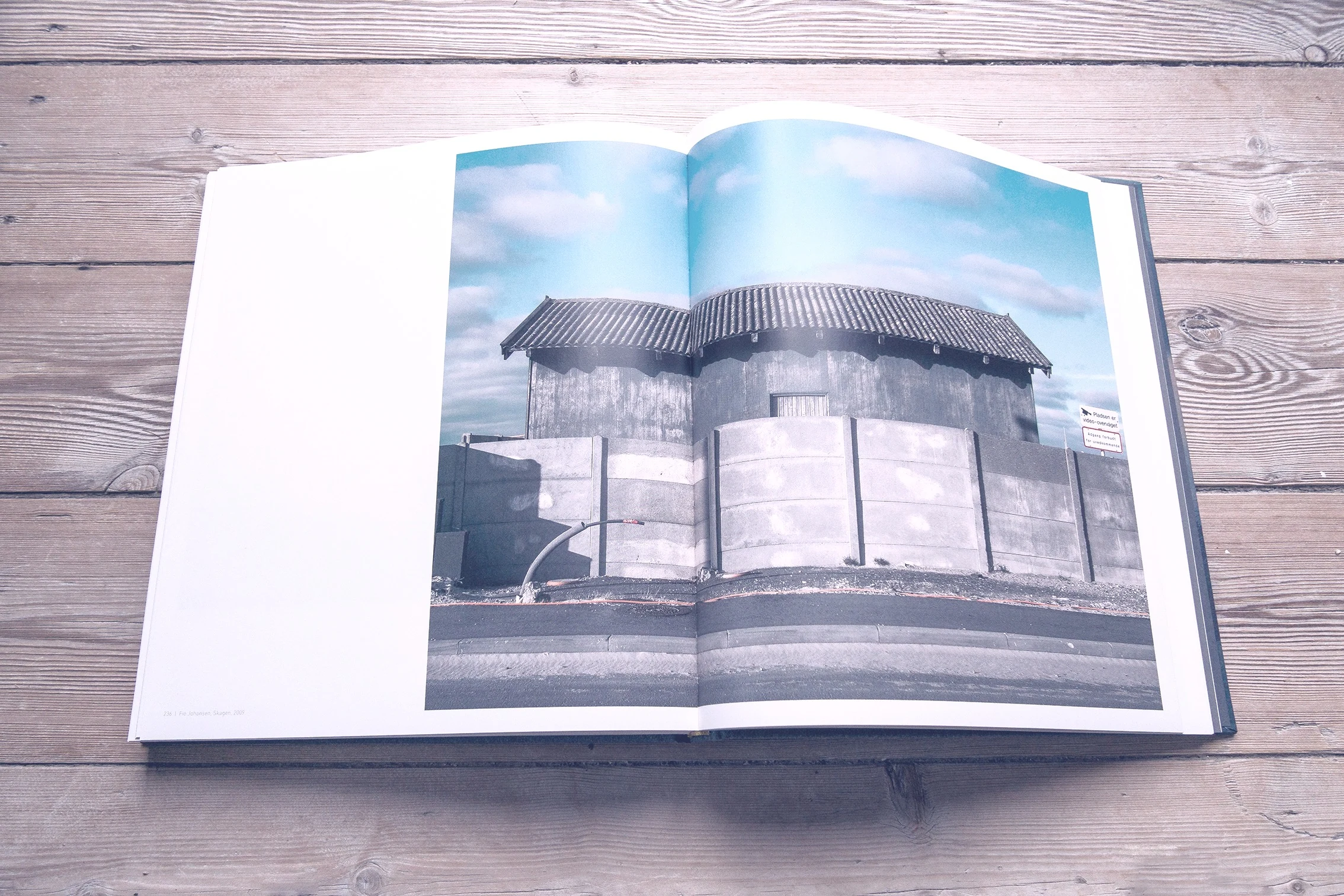
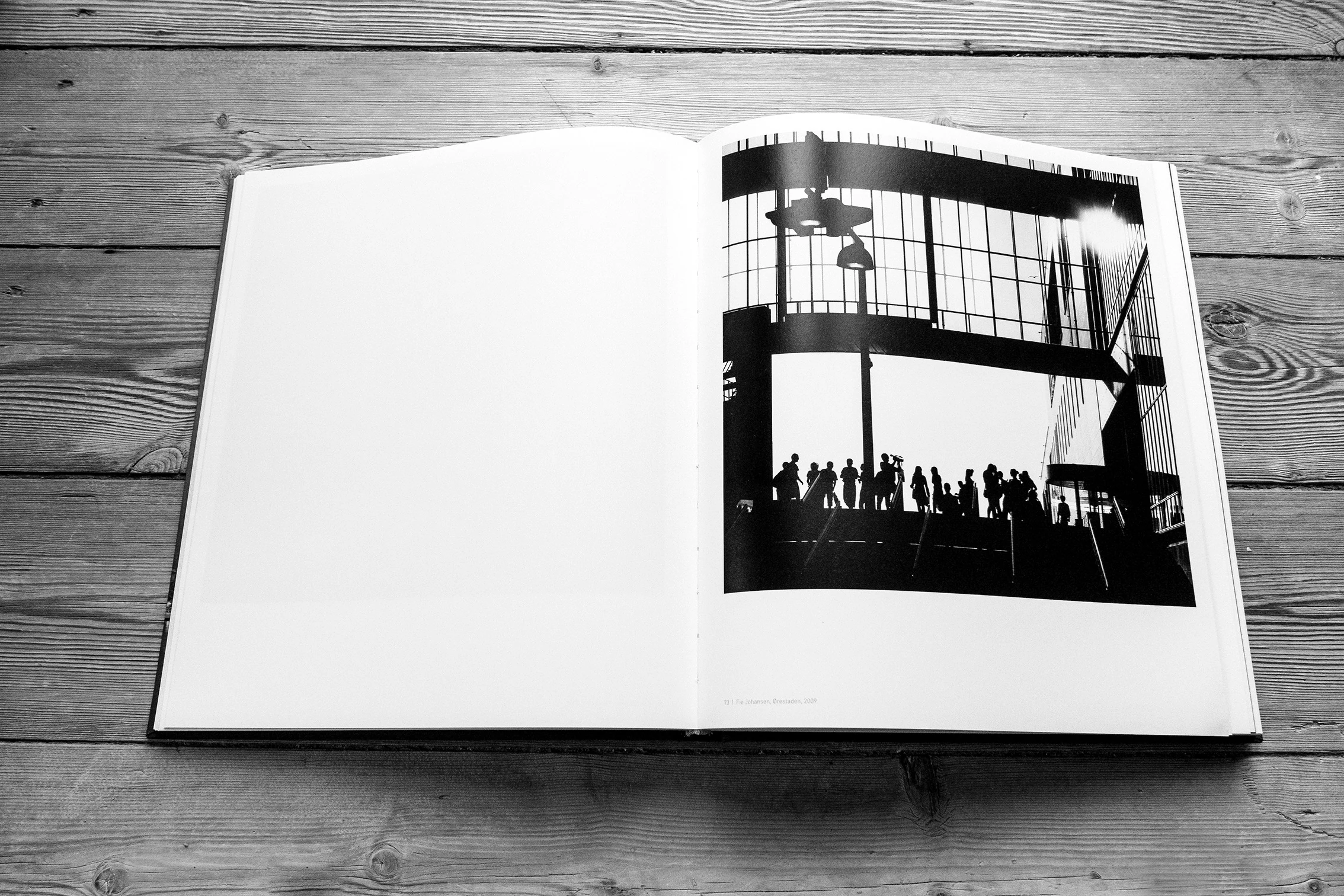
Denmark in Transition Books and Exhibitions Project
Mindscapes text by Gitte Broeng
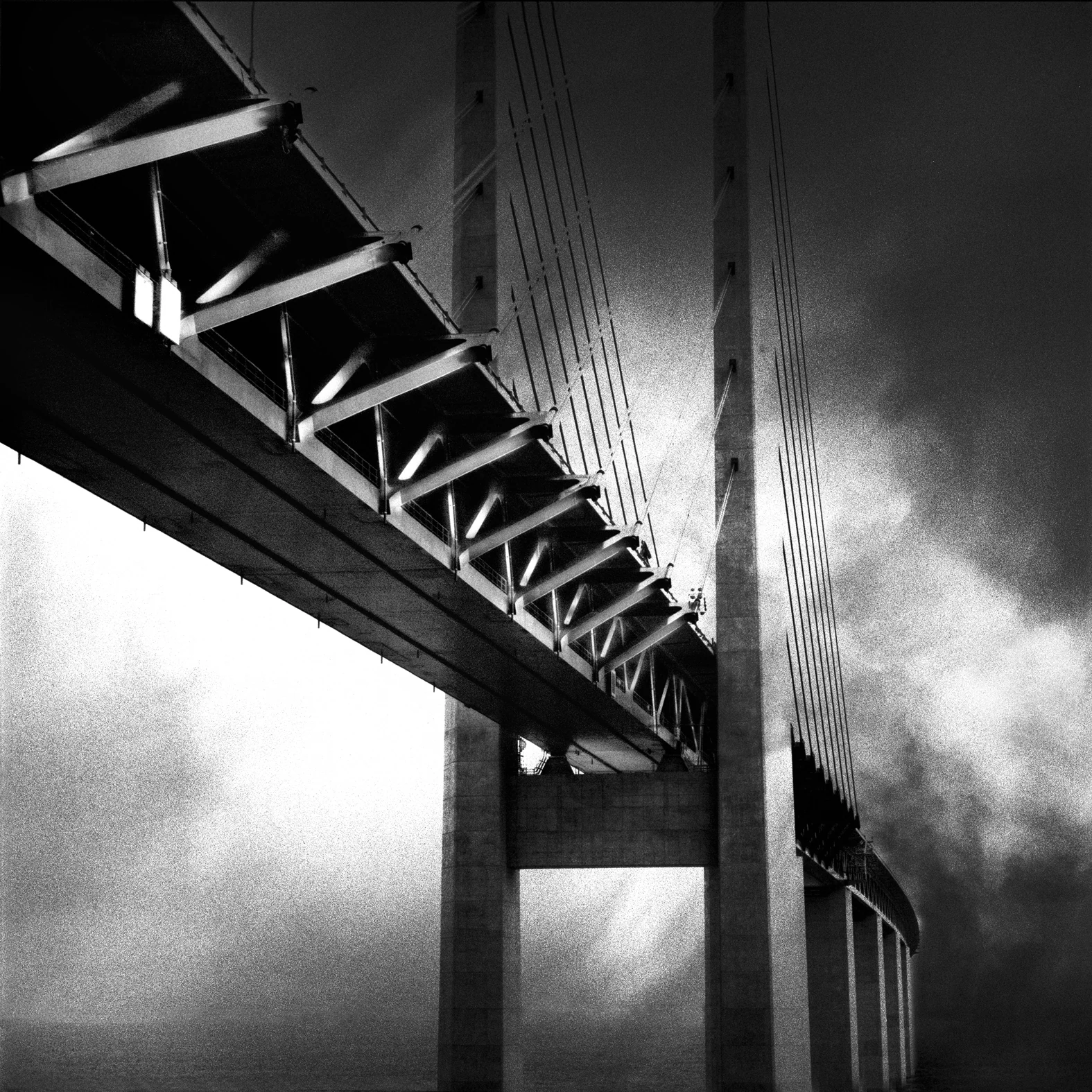
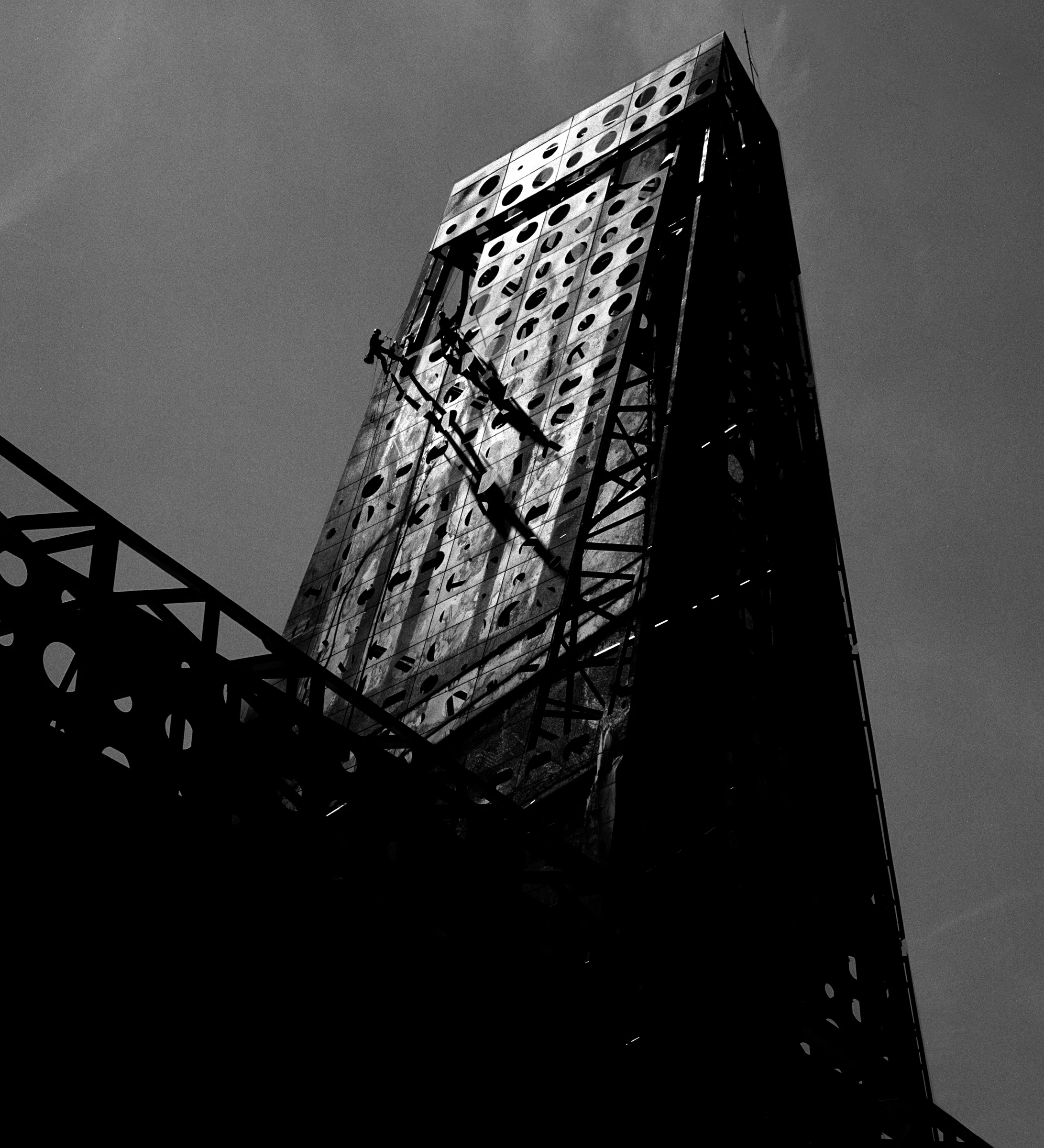
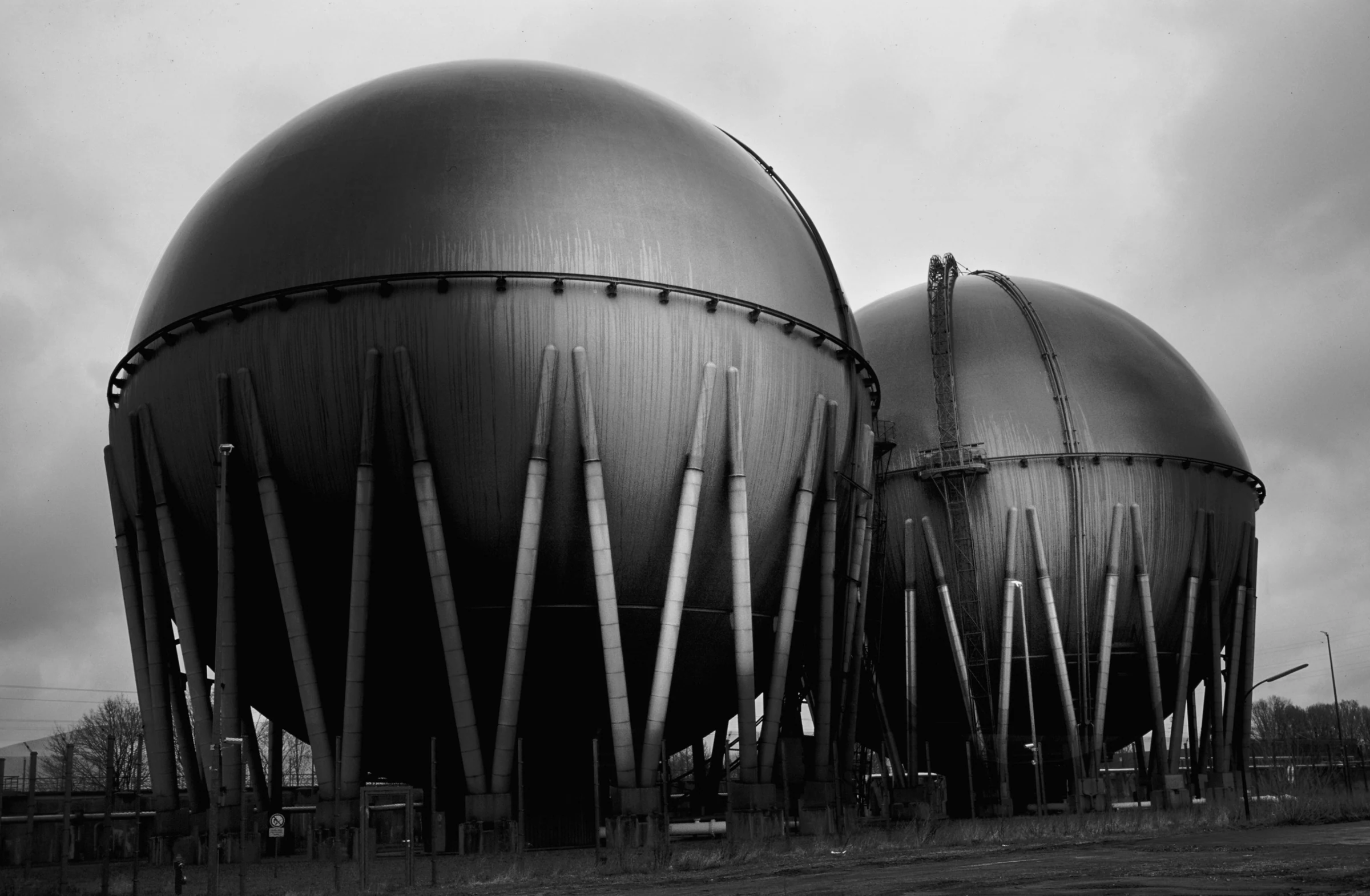
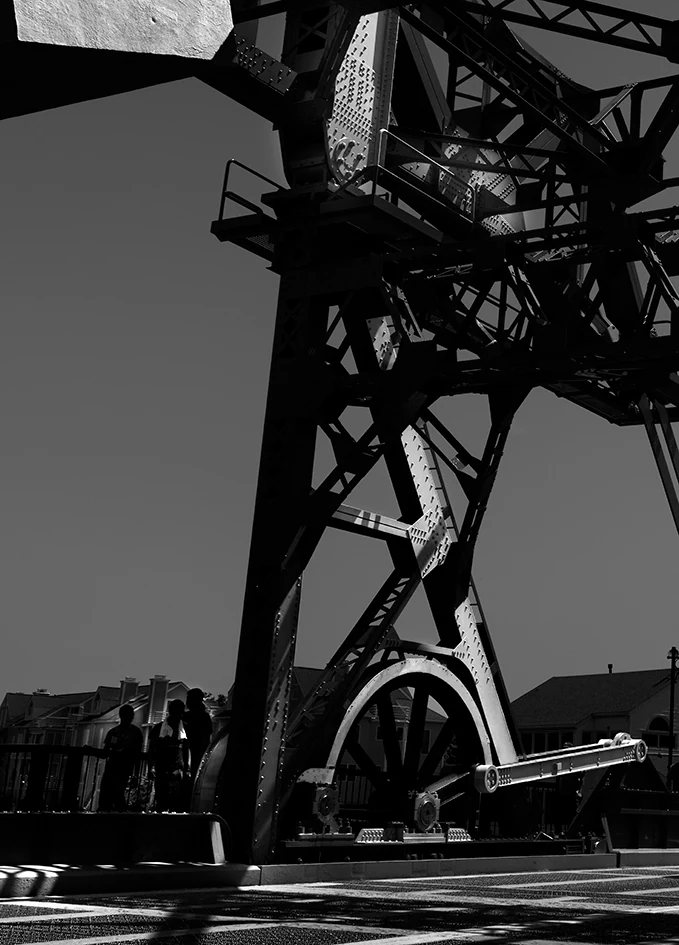
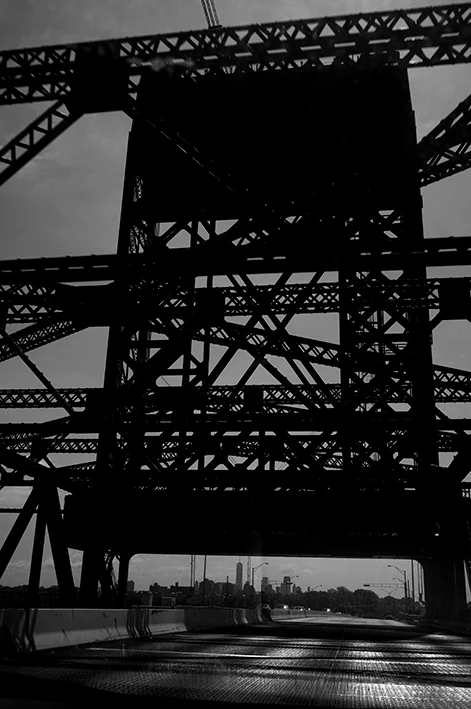
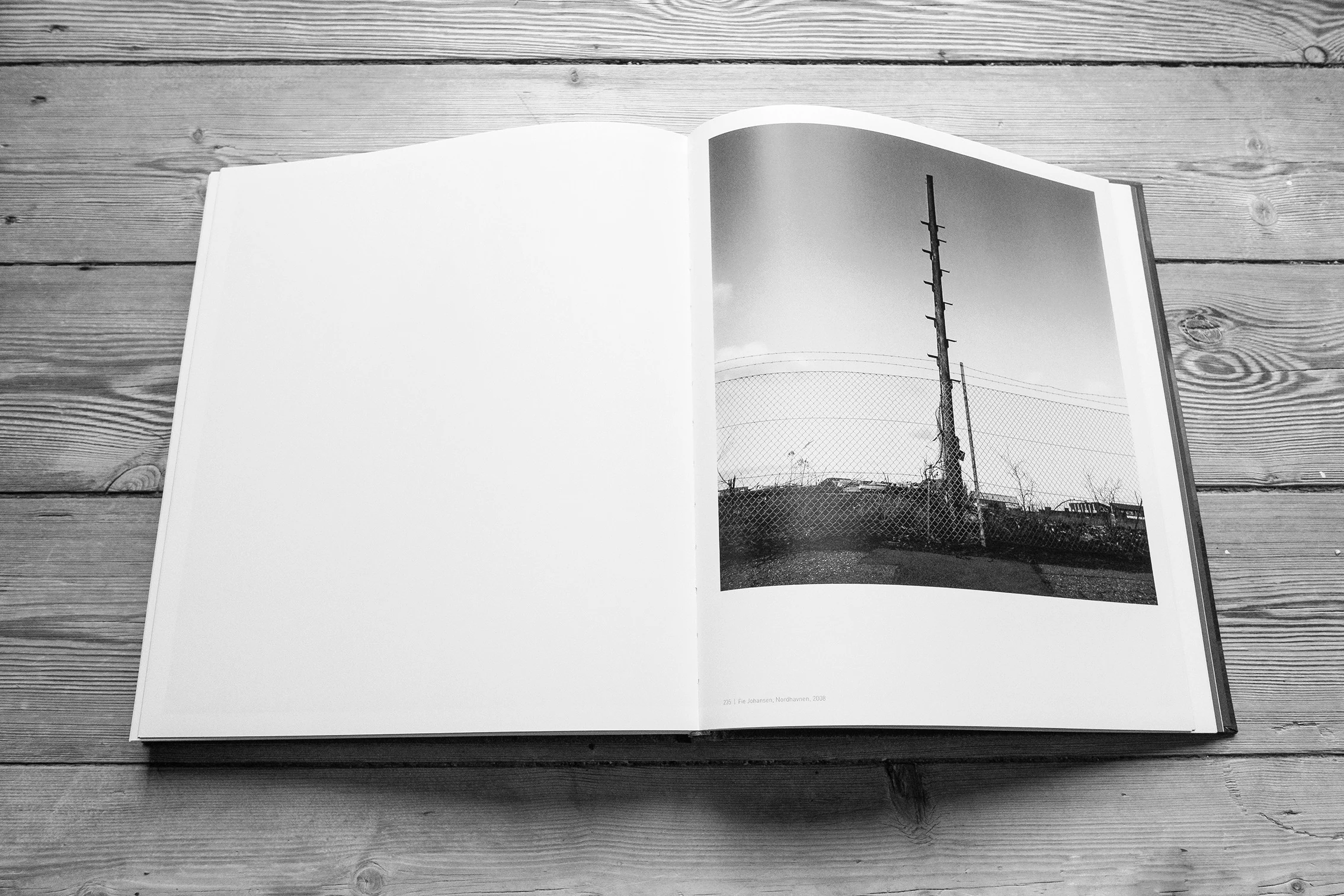
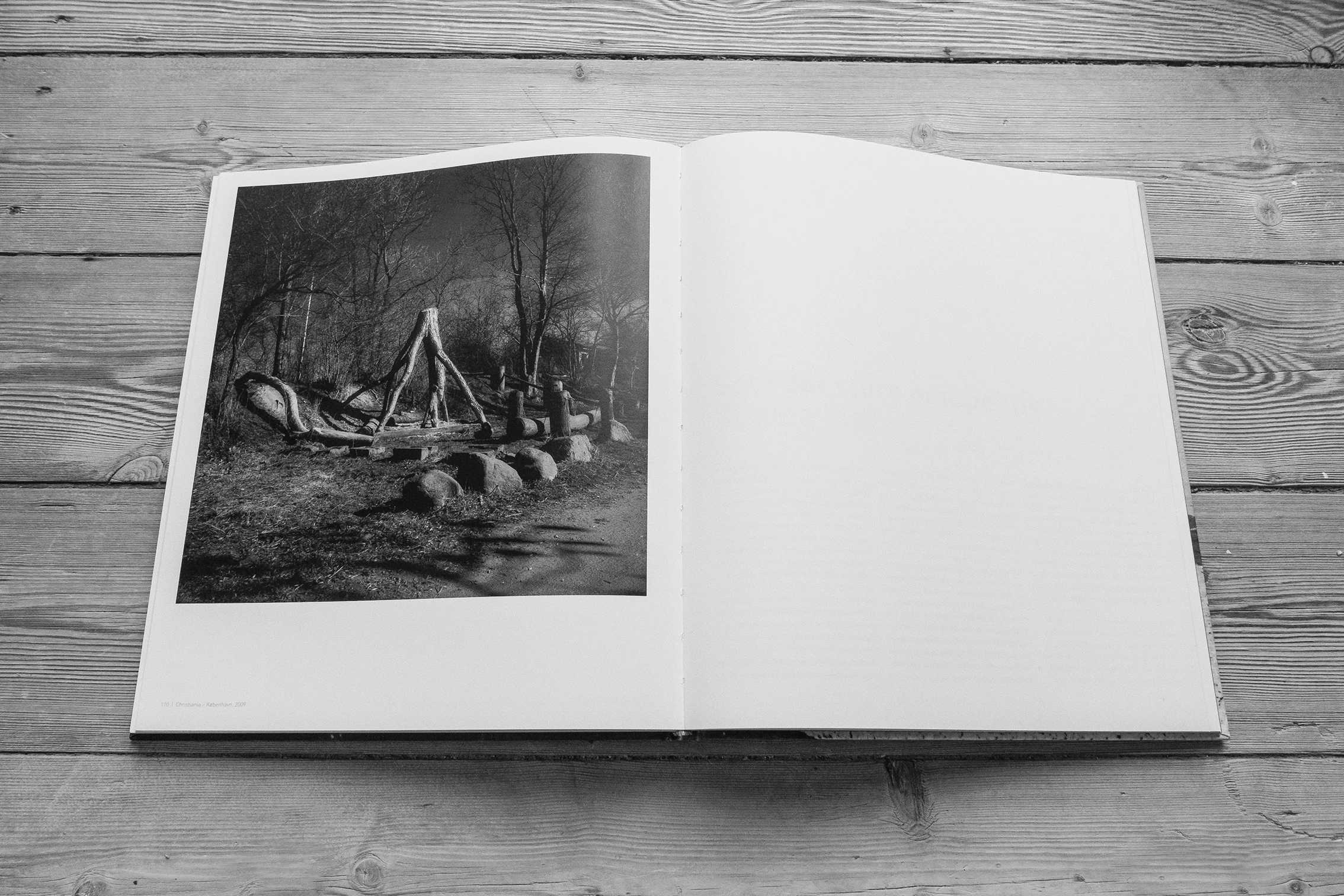
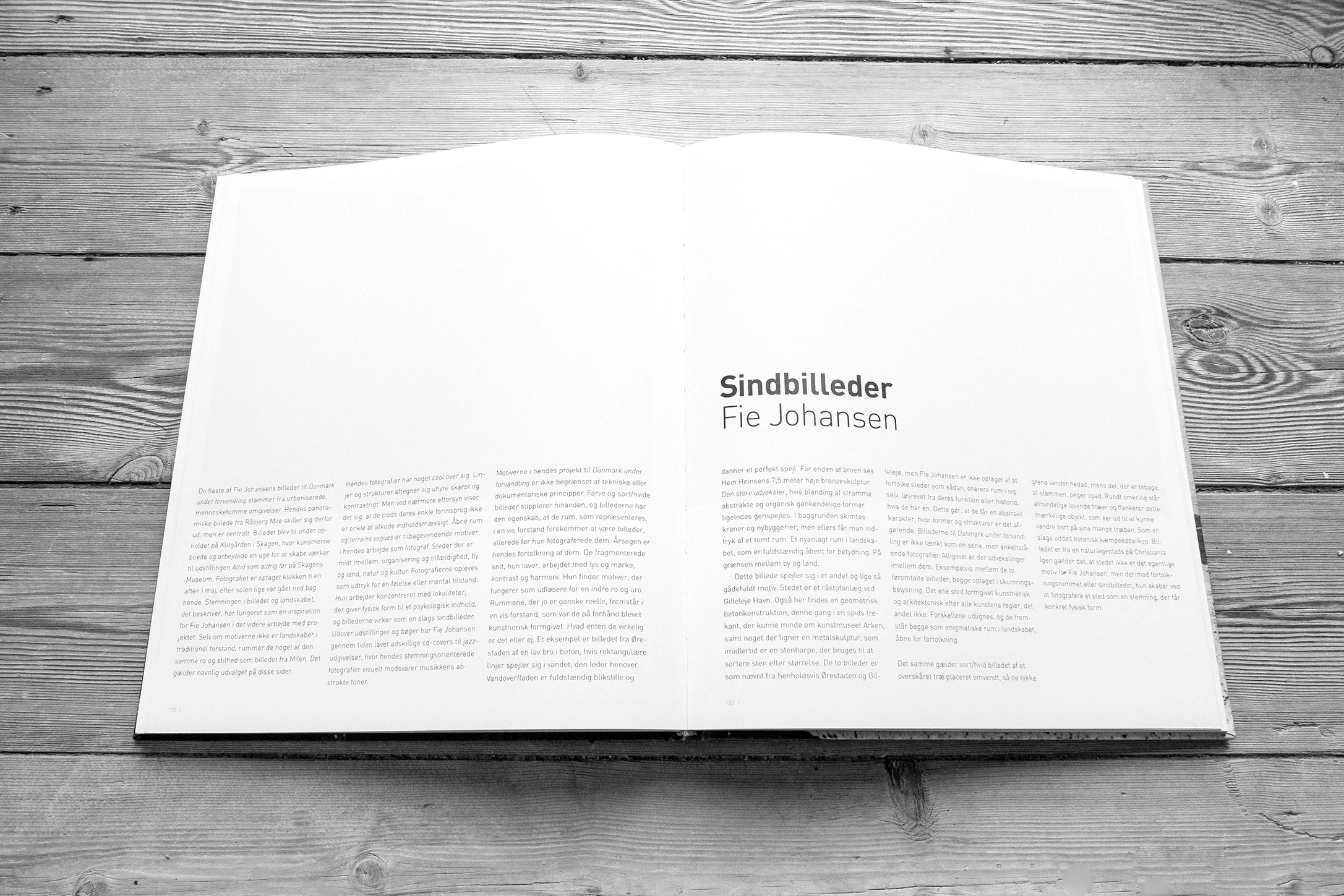
Lines and structures are delineated with extreme sharpness and contrast in Fie Johansens photographs, which are rendered with a distant coolness. Open spaces and Terrain Vague are recur- ring motifs in her work as photographer. Places that are in-between systematization and coinci- dence, the urban and the rural, nature and culture. Her work concentrates on localities that give a physical form to the psychological. Her images become mindscapes as well as exhibitions and books. Fie Johansen has also produced the cover images for numerous jazz records, where her atmospheric photographs correspond visually to the abstract tones of the music.
The subjects of her project for Denmark in Transition are not limited by technical or documen- tary principles. Color and black and white images supplement each other, and the spaces she represents have the quality of existing as images before she photographed them. Fie Johansen is not interested in interpreting places, but rather in showing spaces severed from their function or history, if they have one. This gives her images an abstrat quality dominated by shapes and structures.
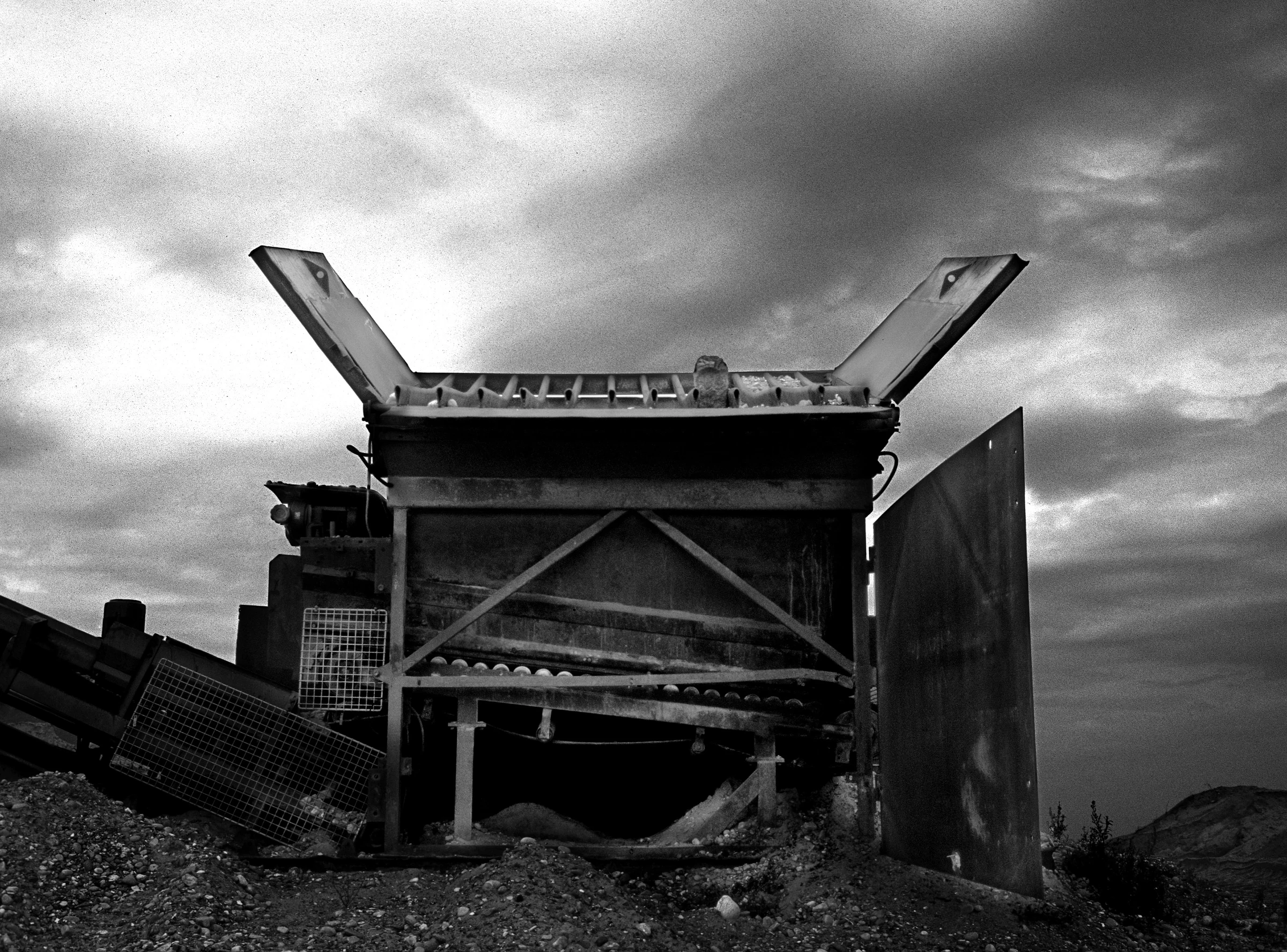
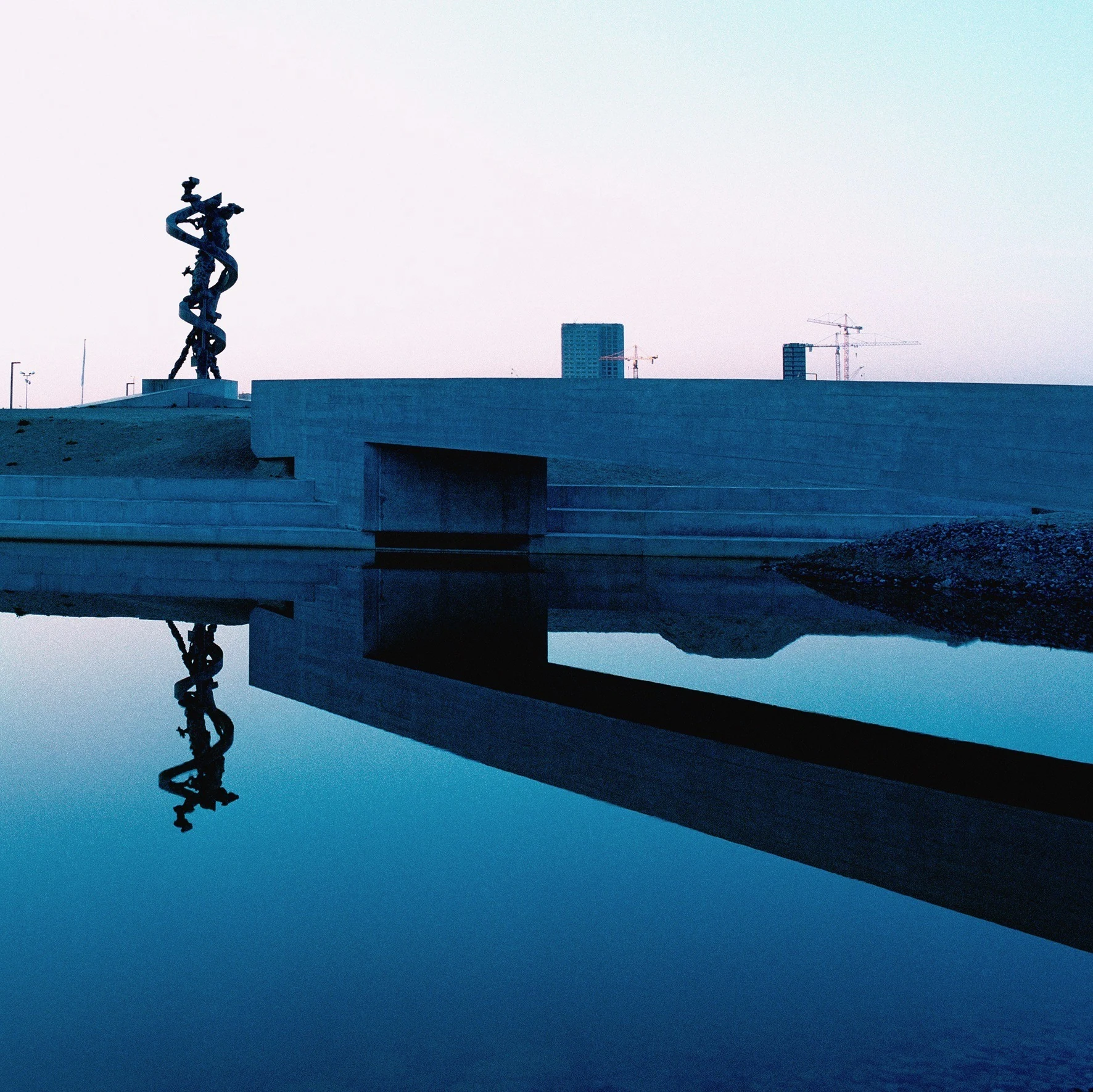
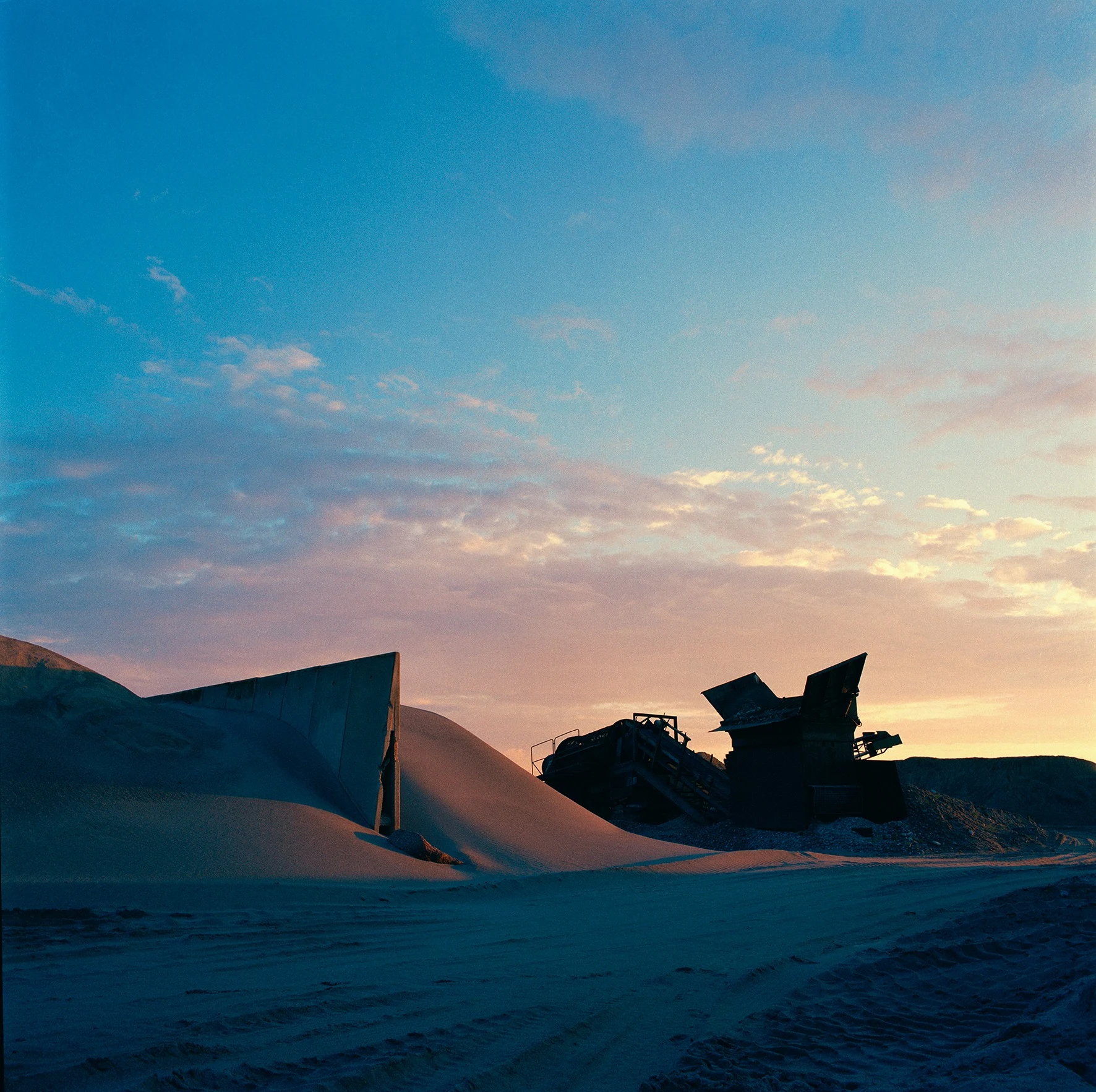
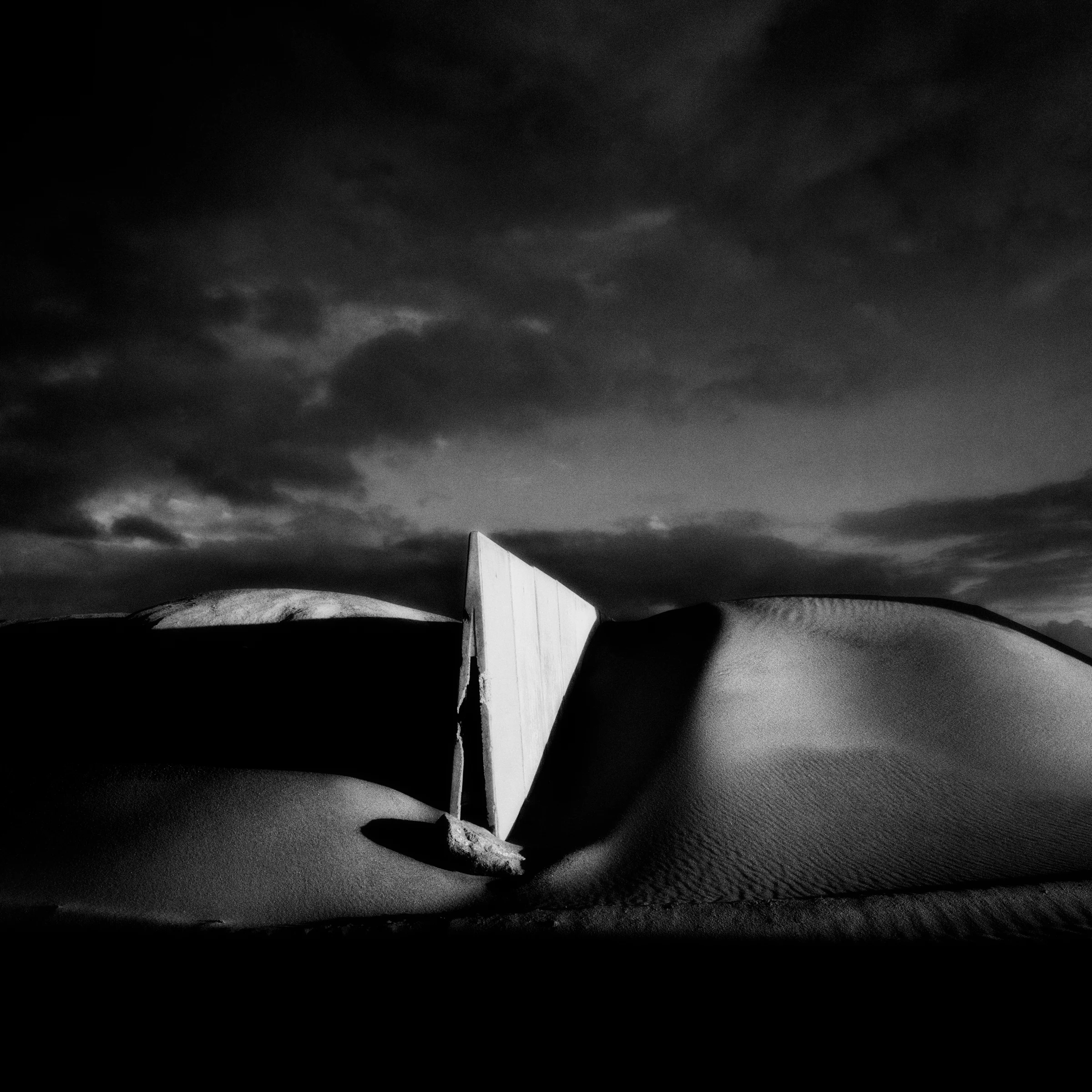
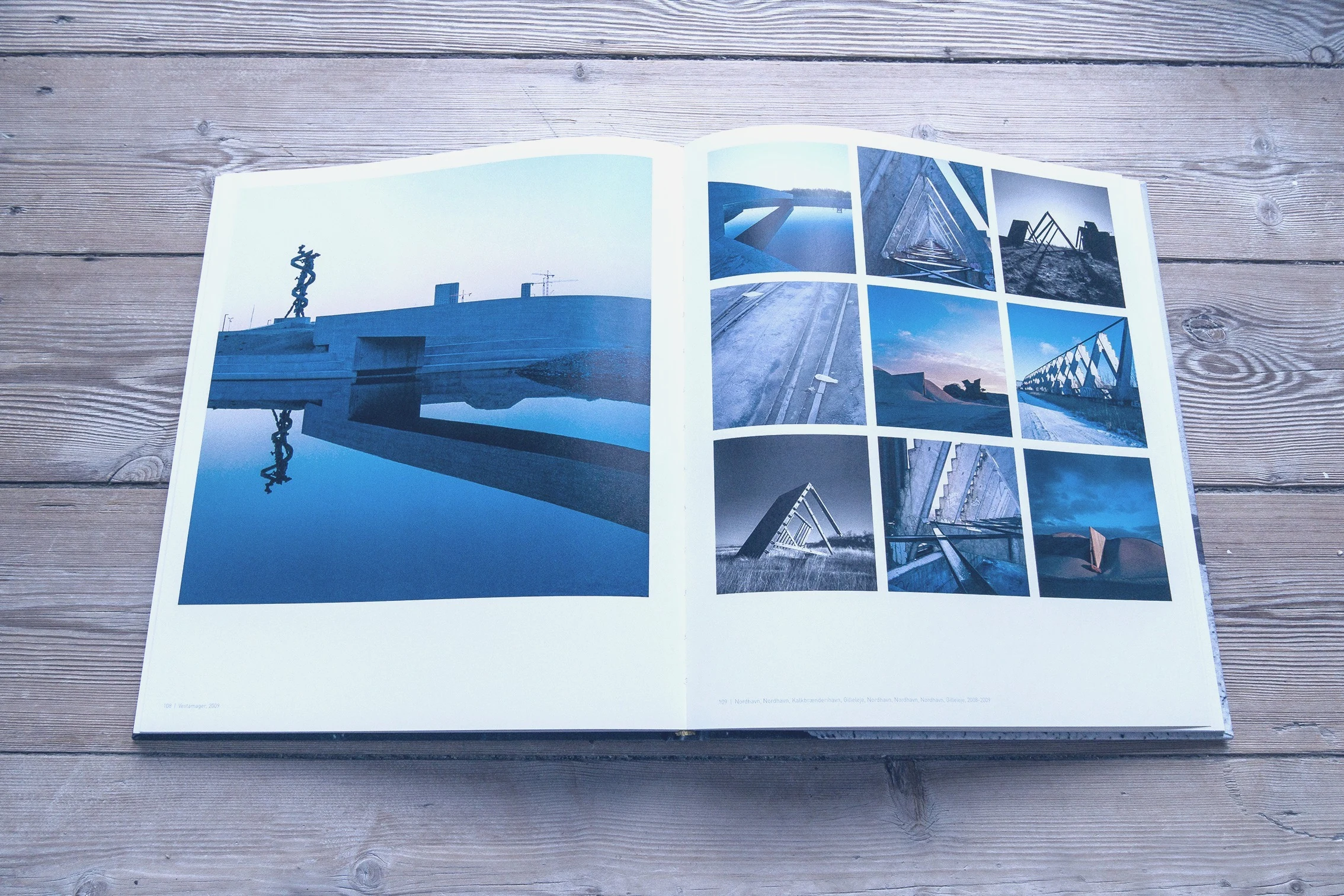
The spaces which are very real, appear to a certain extent as if they already exist as works - whether they include art or not. Like the twilight image from Ørestad - a low concrete bridge with its rectangular lines reflected in the water it crosses.The surface of the water is deadly calm, a perfect mirror. Standing at the end of the bridge is Hein Heinsens 7,5 meter high bronze sculptuure The Great Exchanger. The scluptures mix of strict abstract lines and recognisable, organic forms are also reflected, this image is mirrored in another equally enigmatic work of a processing plant in Gilleleje harbor. Here too there is a geometric construction in the shape of a sharp triangle
that evokes the Danish Art Museum Arken together with a machine for sorting stones by size, that resembles a metal sculpture.One site is artistically and Architecturally formed, the other not. But the differences between them are erased by her. Both appear as enigmatic spaces in a landscape open to interpretation.